

Contents
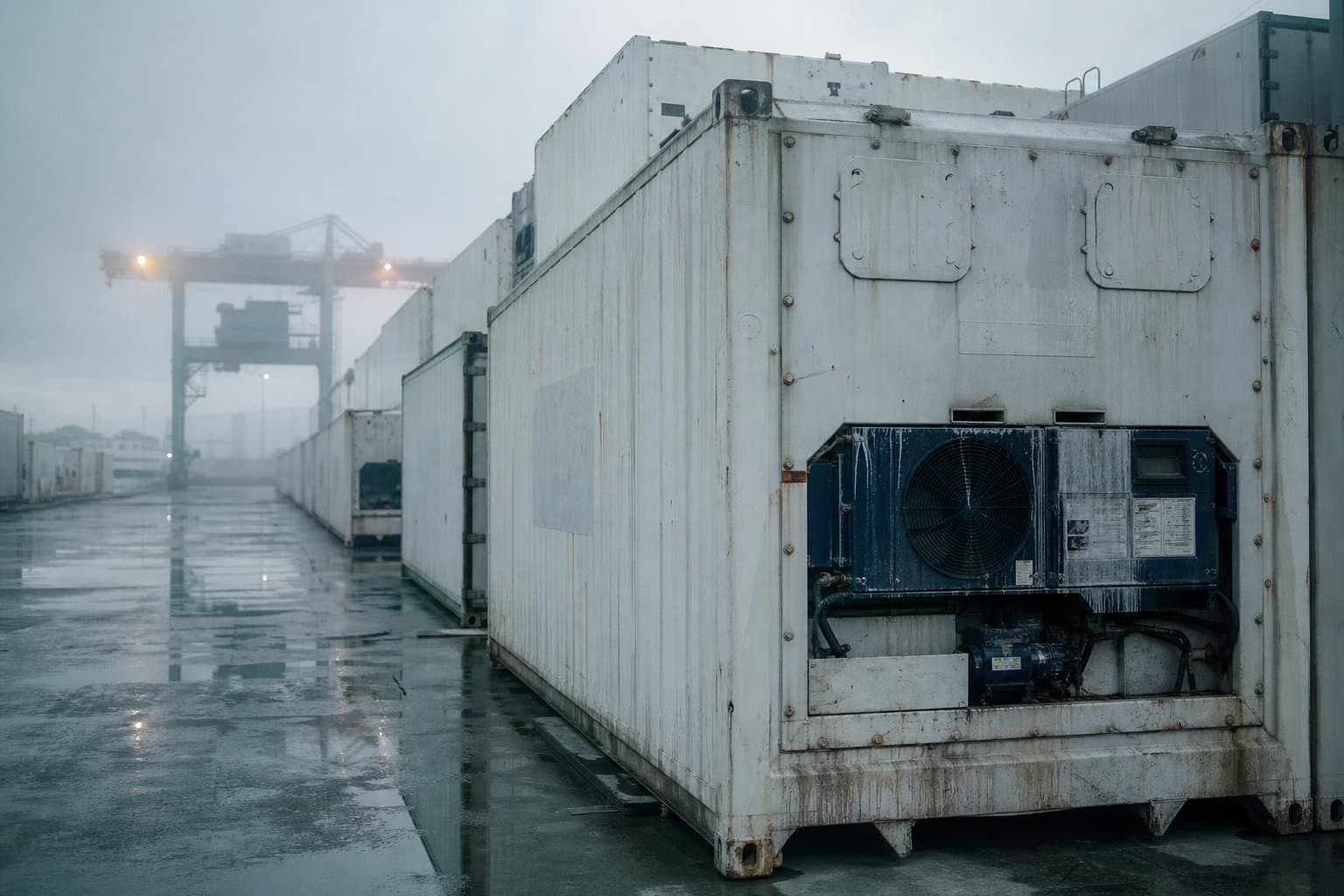
China has overtaken the United States as the largest buyer of Vietnamese seafood. Per VASEP figures reported by VnExpress on July 13, seafood exports to China reached $1.4 billion in the first half of 2026, up 40% year on year, while shipments to the US stayed flat at $898 million.
The H1 picture: short-haul lanes pull ahead
Vietnam exported roughly $5.7 billion of seafood in the first six months, up 11.4%. Including Hong Kong, greater China took $1.5 billion, up about 38%. Japan ranked third at $788 million, followed by South Korea at $411 million, up 7%, and Australia at $176 million, up 15.5%. By product, shrimp led with $2.3 billion, up 13.6% and about 40% of the total; pangasius reached $1.1 billion; lobster saw the sharpest demand growth from China and Hong Kong.
Seafood exports to China reached $1.4 billion in the first half of 2026, up 40%, while shipments to the US stayed flat.
Why the cargo is changing direction
VASEP points to three drivers: shorter distance, lower freight cost, and faster cash conversion than long-haul markets. Meanwhile, access to the US is getting harder, with MMPA requirements on wild-caught seafood, anti-dumping duties, and the risk of new protective measures. Many exporters are shifting volume to nearby markets rather than waiting out policy signals from Washington.
Impact by commodity
Shrimp is doing the heavy lifting, and its growth is coming mainly out of China. Live and fresh seafood, lobster above all as both China and Hong Kong buy aggressively, carries an extra edge: it can move through land border gates, which keeps preservation simpler and cheaper. The rest of the board is green too: pangasius grew 12.1% and now makes up 19.4% of total seafood exports; squid and octopus reached $380.2 million, up 18.8%; crab and other crustaceans hit $206.2 million, up 26.2%, per Mekong ASEAN figures.
Tuna is the one swimming against the current, down 2% to $452 million in the first half. It is also the product most directly exposed to tighter US rules, where MMPA requirements on wild-caught seafood now come with an added COA certificate. Looking into the second half, pangasius is forecast to grow around 5%, while tilapia is the name to watch with a projected 30% jump in export value. For shippers, each product now maps to its own lane problem: shrimp and fresh seafood concentrate on the short haul, while US-bound tuna needs the COA layer built into every shipment file.
What this means for seafood shippers
Intra-Asia lanes run on a different logic than the transpacific. Short transit keeps reefer containers turning fast and freight costs low, but China brings its own compliance layer: exporters and product codes must be on the registration list held by Chinese customs under current rules, and every shipment needs a health certificate and compliant labeling. One wrong detail leaves cargo sitting at the border, and for frozen goods each waiting day means plug-in fees and quality risk.
The numbers do not say abandon the US either. It remains a near $900 million market with strong margins in several categories. Running both lanes means two different booking plans: frequent sailings with clean quarantine paperwork on the short haul, and strict schedule and document discipline on the US lane, as covered in our Vietnam to US route guide. Both lanes share one variable heading into the second half: reefer freight rates are trending up again, so locking schedules and rates early beats waiting until close to cut-off.
Homexim operates both intra-Asia and US lanes for frozen and dry cargo. If you are rebalancing your lane mix for the second half, send your commodity and destination port to the route desk for sailing options, rates, and a documents checklist per market.
Sources
Related service: Ocean freight FCL/LCL