

Contents
Ocean freight from Vietnam to the US is running hot again in July 2026. A 40-foot container from Ho Chi Minh City to the US East Coast now costs $9,260, while the West Coast lane sits around $7,351, levels many exporters thought were behind them after the early-year cooldown. For US-bound cargo, freight is now a variable that eats straight into margin, not a fixed line to leave untouched in the price sheet.
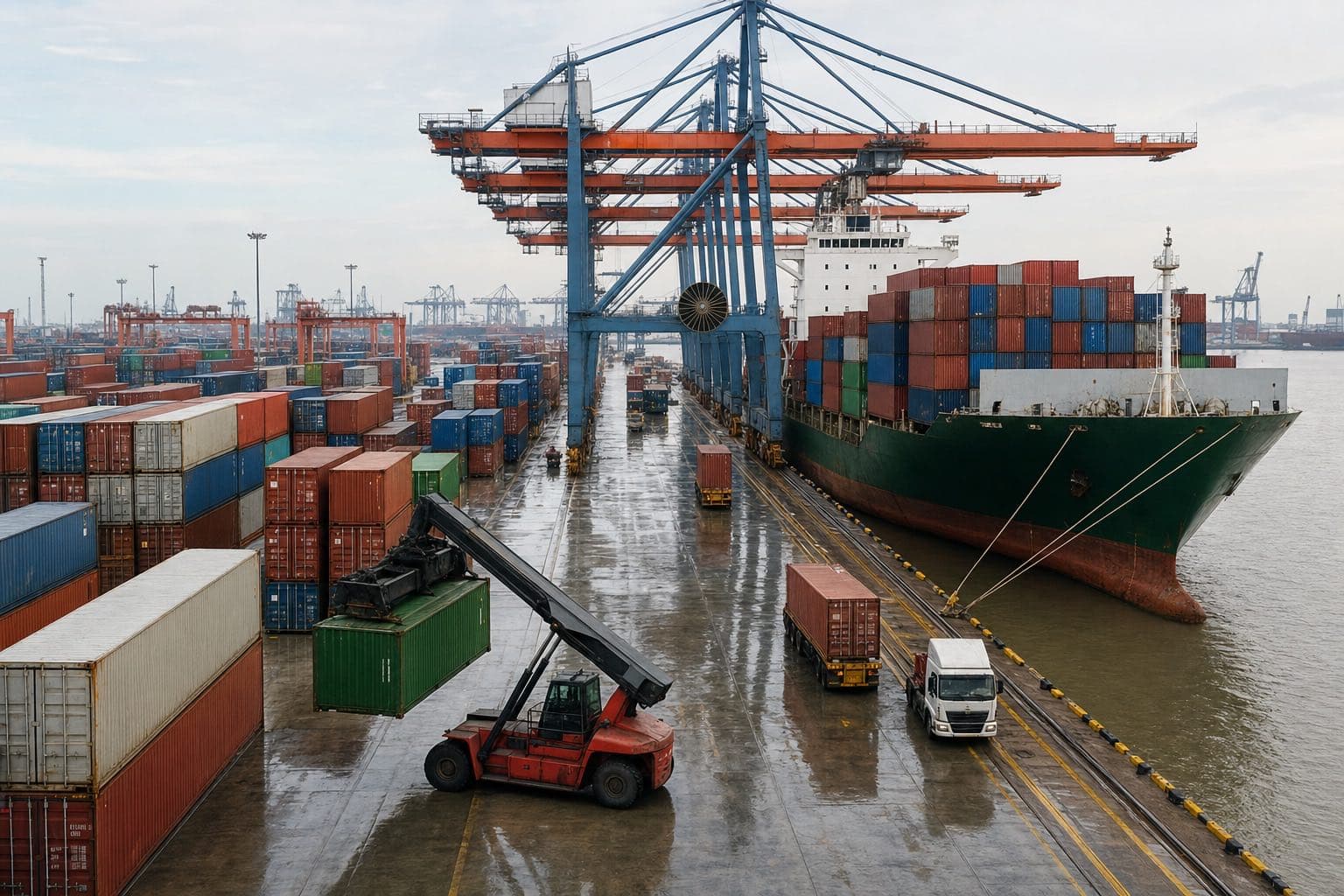
How far US freight rates have climbed
As of mid-July, the Ho Chi Minh City to US East Coast rate reached $9,260 per 40-foot container, up 4.64% in a single week, while the West Coast lane hit $7,351, up more than 20% from late June, according to Dan Tri. The Drewry World Container Index averaged $4,639 per 40-foot box, the highest since September 2024. The Shanghai to Los Angeles leg alone jumped about 12% in one week to nearly $5,750.
Behind the indices is a real exporter's story. One company executive said the rate on their US lane went from about $2,800 in early May to nearly $7,800, up more than 200% in just two months. On top of the base rate, carriers are adding peak-season and war-risk surcharges of roughly $800 to $1,500 per container.
One US lane went from about $2,800 in early May to nearly $7,800, up more than 200% in just two months.
Why the US lane is surging again
The root is on the demand side. US importers are front-loading cargo ahead of a wave of new tariff measures, which sends booking demand spiking in a short window. Container volumes through US ports rose more than 8% year on year in June, the classic pattern of shipping early to dodge cost risk.
Supply, meanwhile, is tight. Ships are still avoiding the Suez Canal and routing around the Cape of Good Hope, adding 10 to 20 days per voyage and burning more fuel; Middle East tension has pushed fuel prices up, prompting bunker (BAF) surcharges. Capacity has not fully recovered from the Red Sea detours, and carriers are actively managing space to hold rates. Demand piling in as supply stays short makes the jump all but inevitable.
Impact by commodity
The rate spike bites straight into the margins of Vietnam's core US-bound export sectors. Seafood feels it most clearly: exports to the US reached $897.9 million in the first six months, and for thin-margin items like shrimp, every extra hundred dollars of freight shaves the profit directly. Wooden furniture and cashews, both heavy, bulky goods that move to the US almost entirely by ocean container, are also quick to absorb the hit as box rates climb.
Cost pressure is forcing many exporters to redraw their market map. A number of seafood exporters are shifting toward nearer Asian markets, where freight is cheaper and agreements such as RCEP and CPTPP smooth the tariff path. That is the shift shippers should note: when one lane runs hot, the competitive edge can lie in re-picking the destination market, not only in squeezing the freight quote.
What US-bound shippers should do
This upcycle shows no clear near-term reversal, so exporters to the US should price freight into their selling price at the quoting stage rather than lock a price on old rate levels and swallow the gap. The decisive step is usually the trade terms and how you book, not haggling over each sailing.
- Set Incoterms 2020 clearly in the contract: who pays ocean freight, who pays surcharges, so the increase does not land on the wrong party.
- Favor locking a rate under a term service contract over buying spot per sailing, and book early to secure space in peak season.
- Scrutinize the PSS (peak-season), war-risk and BAF surcharges in every quote, as these are the most volatile lines and the easiest to miss when comparing prices.
- Consider consolidating shipments or moving LCL to lower per-unit cost when a single lot cannot fill a container.
Homexim tracks the US lane rate weekly and flags large moves to you, with booking options and a way to lock ocean freight that fits your shipping plan. Send your lane, commodity and expected volume for an updated quote with the surcharge table attached, instead of letting freight eat into each lot's margin.
Sources
Related service: Ocean freight FCL/LCL