
Contents
The European Commission has set a final 16% anti-dumping duty on cold-rolled flat steel from Vietnam. Implementing Regulation (EU) 2026/2547 takes effect on 17 November 2026.
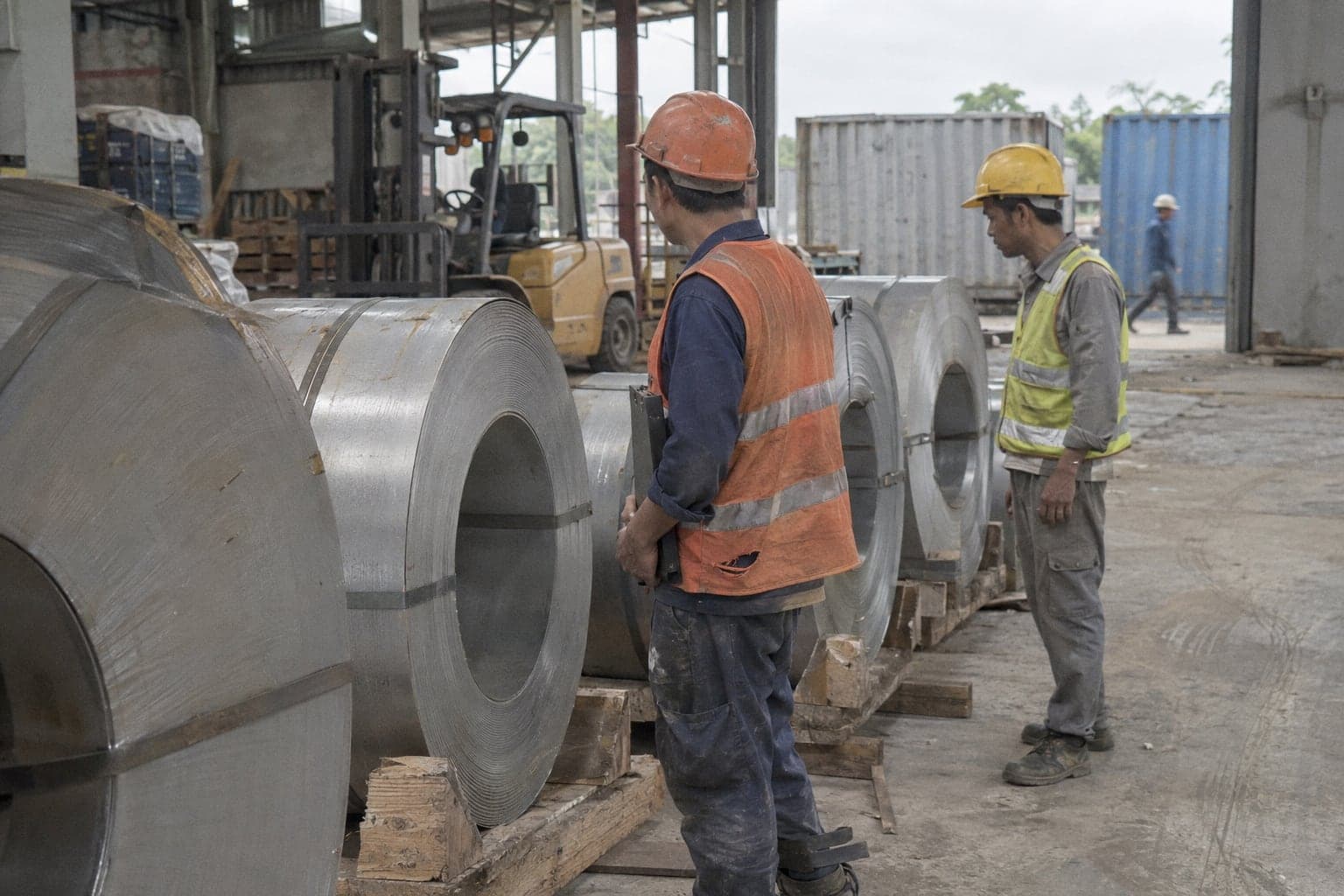
The Commission adopted the text on 13 November 2026 and published it in the EU Official Journal on 16 November 2026. The duties cover certain cold-rolled flat steel products from India, Japan, Taiwan, Türkiye and Vietnam. The case began with a complaint filed on 4 August 2025 by the European steel association EUROFER, and the Commission opened its investigation on 18 September 2025. It is the second EU measure to hit Vietnamese goods in quick succession: Brussels has just applied provisional anti-dumping duties on coiled copper tubes.
Duty rates and scope
Vietnam's 16% matches the rate the Commission set in its final disclosure in August 2026. Final duties by origin:
- Vietnam: 16%
- India: 9.5%
- Japan: 27.9%
- Taiwan: 20.7% to 27%
The duty applies to flat-rolled products of iron, non-alloy or other alloy steel, cold-rolled (cold-reduced), not clad, plated or coated, and not further worked than cold-rolled. The regulation lists these CN codes: ex 7209 15 00, 7209 16 90, 7209 17 90, 7209 18 91, ex 7209 18 99, ex 7209 25 00, 7209 26 90, 7209 27 90, 7209 28 90, 7211 23 30, ex 7211 23 80, ex 7211 29 00, 7225 50 80, 7226 92 00. The additional TARIC codes are in recital 124.
Stainless steel, some electrical steel and a few specialty steel products are outside the scope.
Why there is no back-collection
The case has no provisional duty. The Commission made imports subject to registration from December 2025, but it rejected EUROFER's request to collect duty retroactively on registered goods. Its reason: retroactive duty requires an earlier provisional measure, and this case has none.
Following the Commission's reasoning for rejecting retroactivity, goods that enter the EU before 17 November fall outside the final duty. This is an inference from that reasoning, not a stated provision.
Impact by commodity
Cold-rolled coil and sheet under codes 7209 and 7211 will pay the 16% duty. To tell whether a shipment falls under an exclusion, check the goods description against the scope in the regulation, not the commercial name.
Vietnam has a single sampled exporting producer. It accounted for roughly 80 to 90% of Vietnam's exports to the EU during the investigation period (recital 102). The 16% rate applies equally to cooperating and non-cooperating companies.
Among the countries hit, Vietnam pays more than India (9.5%) but less than Japan (27.9%) and Taiwan (20.7% to 27%). That gap feeds directly into the offers EU importers can make when they compare sources.
What exporters should do
- Check the CN codes and the TARIC codes in recital 124 against the HS codes declared on each steel shipment to the EU. A shipment that matches a listed code takes the 16% duty.
- Reset DDP or CIF prices with EU importers for goods shipping from 17 November. The 16% must be built into the price so it does not surface after the goods arrive.
- Whether a shipment already sent or at sea pays the duty depends on the date of the EU import declaration against the 17 November effective date. Agree the expected declaration date with the importer before the vessel reaches port.
- Ask your EU customer who bears the duty. Put the duty-bearing party in writing before you sign any new contract.
Steel shipments to the EU need sailing schedules and declaration dates that line up. See Homexim's ocean freight service.
Sources
- Bộ Công Thương: EU áp thuế chống bán phá giá chính thức đối với sản phẩm thép cán nguội nhập khẩu từ Ấn Độ, Nhật Bản, Đài Loan, Thổ Nhĩ Kỳ và Việt Nam
- EUR-Lex: Commission Implementing Regulation (EU) 2026/2547 imposing a definitive anti-dumping duty on certain cold-rolled flat steel products
- SteelOrbis: EU announces definitive antidumping duties on CR flat steel from India, Japan, Taiwan, Turkey and Vietnam
Related service: Ocean Freight