

Contents
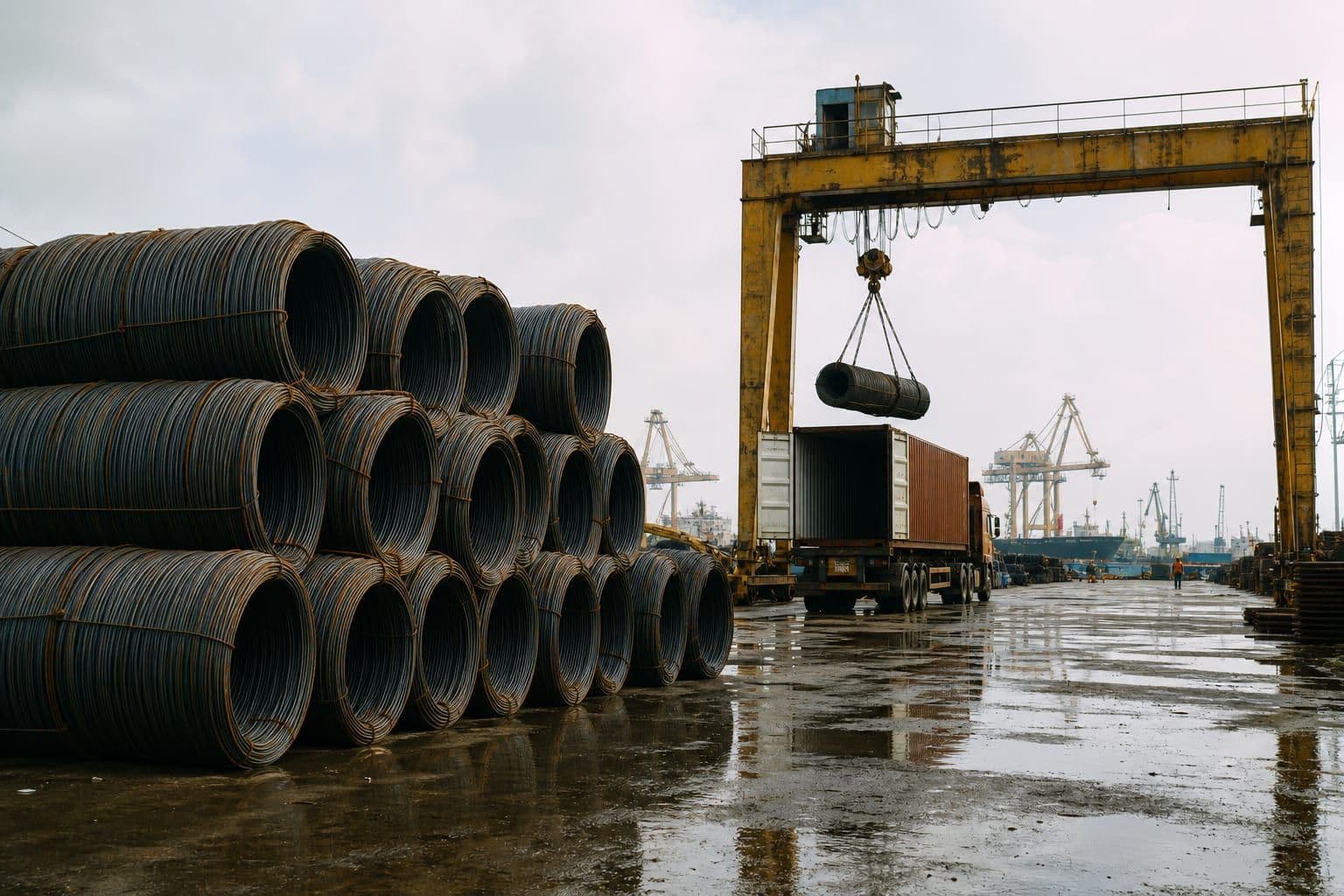
The US Department of Commerce (DOC) issued its final determination on July 27 (US time) in the anti-dumping and countervailing duty investigation into Vietnamese rebar. According to the Trade Remedies Authority of Vietnam, as reported by Doanh Nghiep Viet Nam, the mandatory respondent and its 10 affiliates received a 123.49% anti-dumping rate and a 6.08% countervailing rate in that determination. Every other Vietnamese rebar producer faces a steeper rate: 131.53% anti-dumping, alongside the same 6.08% countervailing duty.
The countervailing duty jumped nearly sixfold from the preliminary rate
Thuong Gia's report published on March 12, 2026 put the preliminary anti-dumping rates at 121.97% for the mandatory respondent and its affiliates and 130.77% for other producers; the preliminary countervailing rate was 1.08% for both groups. The final determination of July 27, 2026 raised the anti-dumping rates by 1.52 and 0.76 percentage points respectively, and the countervailing rate from 1.08% to 6.08%, after DOC reassessed a set of preferential loan programs that used foreign benchmark rates to calculate the subsidy.
Vietnam now carries the highest anti-dumping rate in the case
Bulgaria's anti-dumping duty in the same investigation landed at 53.27%, Egypt's at 34.2% to 52.73%. Vietnam cleared both by a wide margin, topping the table at 123.49-131.53%. The countervailing duty tells a different story: Vietnam's 6.08% sits well below Egypt's 23.27%, even as its anti-dumping rate runs several times higher. The investigated product covers rebar under 17 HS codes spanning headings 7213, 7214, 7221, 7222, 7227 and 7228, split by diameter, surface finish and whether it ships as bar or coil.
Impact by commodity
Vietnamese rebar is still a small line item in the US market, but one that has been growing fast: more than 43 tonnes in 2022, then 27,700 tonnes worth $16.8 million in 2023, then approximately 56,400 tonnes worth nearly $30 million in 2024. From an export-pricing perspective, DOC's final rates could put substantial pressure on sales if duty orders take effect. Those rates alone do not establish that landed costs have doubled; each shipment needs a fresh cost calculation before comparison with domestic US steel or suppliers facing lower duties. This isn't an isolated steel case for Vietnam this year either, with trade-defense pressure building on both the import and export side (see our brief on China's prestressed steel bar probe in Vietnam). The mills currently shipping rebar to the US, or negotiating new contracts, and the trading houses that file the export paperwork on their behalf sit closest to this.
DOC's final determination sets anti-dumping rates of 123.49% for the mandatory respondent and its affiliates and 131.53% for other producers, with a 6.08% countervailing rate for both.
What rebar shippers should check before quoting
As of this July 31, 2026 report, DOC's determination still needed to be considered alongside the US International Trade Commission's (ITC) injury finding. The reported timetable allowed 45 days from July 27, 2026, placing the deadline around September 10, 2026. That was the timetable announced at the time, not a fresh waiting period starting when you read this article. Under the process described by the source, an affirmative ITC injury finding would bring duty orders into effect; a negative finding would end the case and trigger refunds of cash deposits.
- Check declared HS codes against the 17 codes named in the case, spanning headings 7213, 7214, 7221, 7222, 7227 and 7228.
- Check the ITC finding and duty-order status applicable to your transaction before accepting new US orders; do not treat the September 2026 timetable as a reason to keep waiting.
- For contracts under negotiation, confirm the applicable duties and recalculate pricing. The 123.49% or 131.53% anti-dumping rates and 6.08% countervailing rate are the figures from DOC's determination reported here.
- Match the exact legal entity against the mandatory respondent and its 10 affiliates before quoting a US buyer; the Hoa Phat group name alone is not enough to assign a rate.
Homexim handles customs brokerage for steel and metal exports, checking HS codes against active trade cases before filing a declaration. If you have a rebar order bound for the US, send us your HS codes and contract for a check before loading. See our briefs on China's prestressed steel bar probe in Vietnam and US trade-defense risk facing Vietnamese exports for the fuller picture.
Sources
- Báo Tin tức (TTXVN): Hoa Kỳ ban hành kết luận cuối cùng với thép cốt bê tông nhập khẩu từ Việt Nam
- Tạp chí Doanh nghiệp Việt Nam: Mỹ tăng thuế chống bán phá giá và chống trợ cấp với thép cốt bê tông Việt Nam
- Vietstock: Hoa Kỳ ban hành kết luận cuối cùng với thép cốt bêtông nhập khẩu từ Việt Nam
- Thương gia Online: Thuế hơn 130% treo lơ lửng, thép cốt bê tông Việt Nam đối mặt rào cản mới tại Mỹ
Related service: Customs brokerage