

Contents
Exporters shipping to the EU have a scope change worth reading closely before they lock year-end plans. On July 13, 2026 the European Commission adopted two measures to support the rollout of the EUDR, the EU deforestation regulation, and one of them rewrites Annex I, the list of products the regulation covers. Instant coffee joins the list, while leather, retreaded tyres and a string of rubber goods drop out. For Vietnamese shippers the job now is an HS code check, line by line: some cargo is about to carry more paperwork, some has just been released from it.
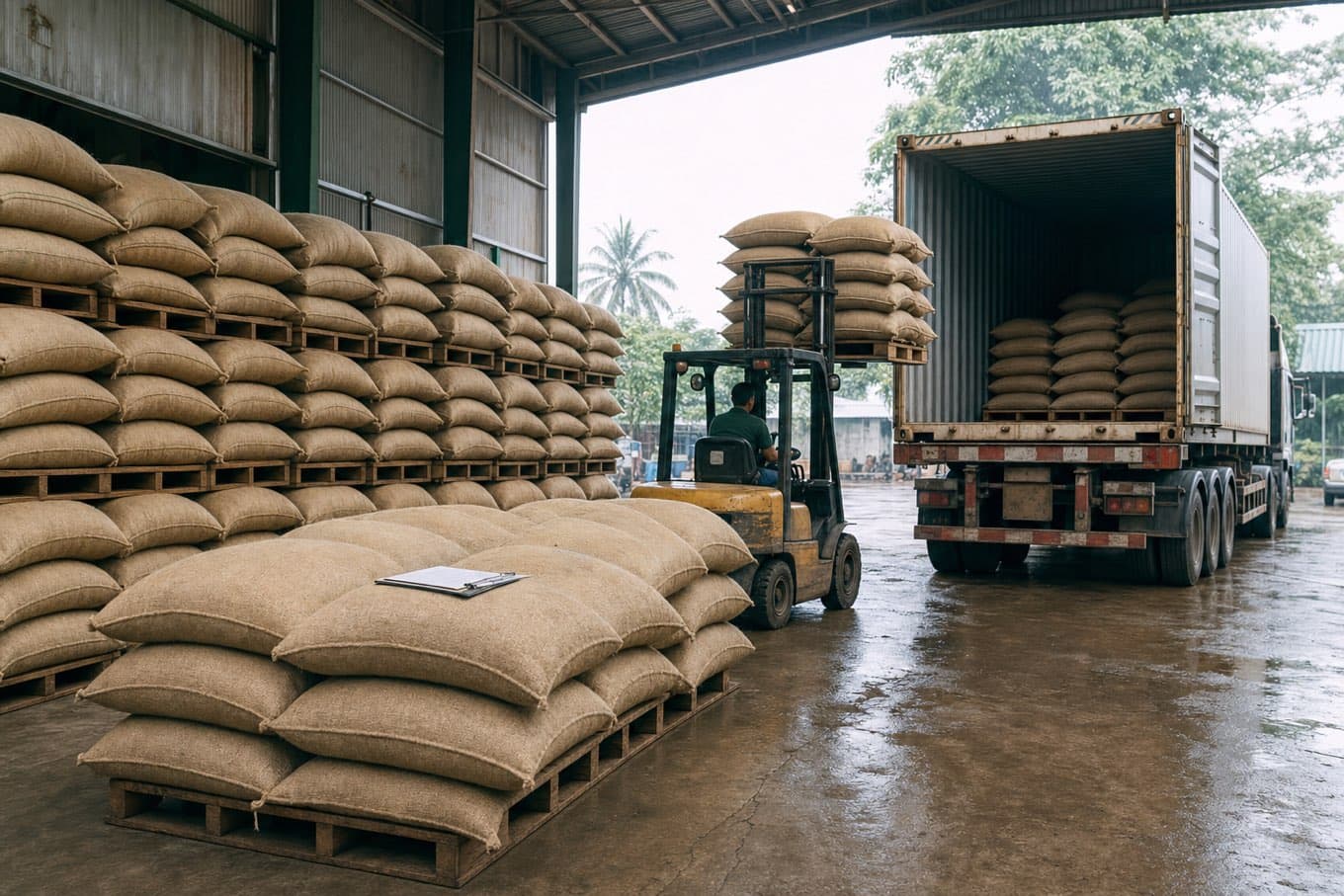
What the EUDR scope amendment changes
Annex I moves in both directions, out and in. The products removed from EUDR scope are:
- Cattle hides, skins and leather.
- Retreaded tyres.
- Soybeans for sowing.
- Articles of vulcanised rubber, conveyor belts and transmission belts.
- Aircraft seats and motor vehicle seats.
Going the other way, three groups are added: soluble coffee, certain palm oil derivatives and frozen cattle tongues. For soluble coffee, the EU adds HS code 2101 11 00, the heading for coffee extracts, essences and concentrates, to Annex I. The Commission's reasoning: without EUDR coverage of instant coffee, non-compliant coffee volumes would simply shift into this category and undercut the regulation's goal of keeping deforestation out of the supply chain.
One caveat shippers should keep in view: the package still needs sign-off from the European Parliament and the Council before it formally takes effect. Treat the new list as a signal to prepare, not yet as grounds to drop compliance files already in progress.
Instant coffee joins the list, while leather, retreaded tyres and a string of rubber goods drop out.
EUDR deadlines are not moving again
The application calendar holds. EUDR applies from December 30, 2026 for large and medium-sized operators, and from June 30, 2027 for micro and small operators. Newly added products, instant coffee included, get until December 30, 2027, a year beyond the main deadline.
On the same July 13 date, the Commission released the supporting toolkit: the formally adopted guidance document in all EU languages, an updated FAQ, and the implementing act for the information system, which includes simplified declarations for micro and small operators. The core obligation is unchanged: producers must show that goods placed on the EU market did not contribute to deforestation and comply with the laws of the country of production.
Impact by commodity
Coffee takes the clearest hit. Green and roasted coffee were already inside EUDR scope, as covered in Homexim's piece on the EU green wall, and stay on the December 30, 2026 deadline. Instant coffee, the value-added segment many Vietnamese processors are scaling up, now formally enters the list with its own December 30, 2027 date. A year of buffer sounds generous, but the EUDR file rests on the same plot-level traceability chain as green beans, so instant coffee producers should not wait: once the growing areas are geolocated for beans, that data serves the soluble product too.
The other direction is relief for processed rubber and leather. Vulcanised rubber articles, conveyor belts, transmission belts, retreaded tyres and leather come out of scope, which means these shipments would no longer need an EUDR due diligence file to enter the EU once the amendment is ratified. Mind the boundary though: what leaves the list are the specific processed products named in the annex, while raw rubber remains under EUDR as it stands. Companies exporting both raw material and finished goods have to run two separate document tracks, not one blended approach.
What shippers should do before December 30, 2026
Start with the cross-check, because scope decides everything that follows in the paperwork.
- Screen every HS code you ship to the EU against the amended Annex I and mark which cargo falls in scope and which has just been released.
- Instant coffee producers should build plot traceability files now, reusing the data chain already assembled for green beans instead of waiting for the 2027 date.
- Leather and processed rubber exporters should track the Parliament and Council ratification step, and keep current files running until the new list formally applies.
- Read the guidance document and FAQ the Commission just published, so your declarations line up with what your EU importer expects.
Homexim handles customs clearance and advises on the export document set for EU-bound cargo. Send the HS codes you ship, and the documentation desk will map them against the updated EUDR list and flag which loads need a traceability file in place before December 30, 2026.
Sources
Related service: Customs brokerage