

Contents
Vietnam exported $35.88 billion of agricultural, forestry and seafood products in the first half of 2026, up around 6% year on year, according to figures released at a July 9 policy roundtable on how the sector can reach $100 billion. The absolute number is still large, but growth has clearly cooled against a base of more than $70 billion for full-year 2025. The $100 billion target is set for 2027, which leaves little more than a year.
The math behind $100 billion: 15% growth every year
Au Anh Tuan, Deputy Director of the Customs Department, laid out the arithmetic at the roundtable: hitting $100 billion by 2027 requires growth above 15% per year, which he called a very tall order while global growth is slowing. Against the roughly 6% pace of the first half, the gap is nearly threefold. Speakers converged on one point: the remaining headroom is not in planting or farming more, but in the post-harvest chain, where cargo moves through warehouses, ports and paperwork.
Hitting $100 billion by 2027 requires growth above 15% per year, while the first half of 2026 delivered only about 6%.
The bottlenecks now have names: overlapping inspections, logistics cost
Notably, it was the customs authority itself that proposed reviewing and cutting quarantine and inspection procedures that overlap across ministries, since they cost businesses both time and money. Nhan Dan quoted experts ranking rising trade protectionism and high logistics costs among the biggest challenges ahead. From the industry side, VASEP representative Nguyen Hoai Nam argued the sector needs an entirely new growth model: moving up the value curve means clearing bottlenecks in raw material supply, certification, traceability, IUU compliance, compliance cost and logistics all at once. One proposal raised repeatedly was a government-level steering group to conduct cross-ministry coordination, rather than each ministry untangling its own knot.
Impact by commodity
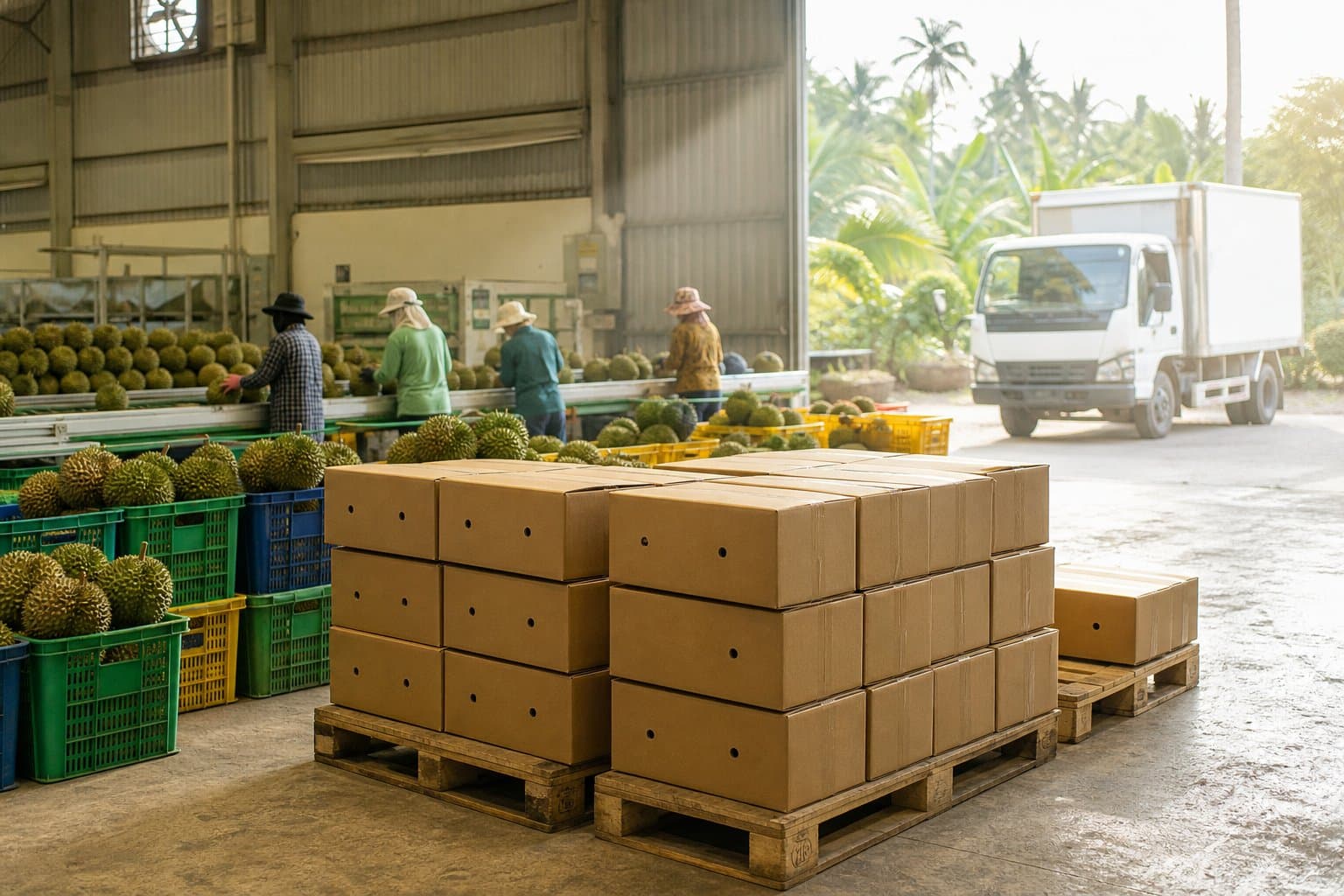
Fruit and vegetables are feeling the logistics squeeze first. Durian alone has passed 170,000 hectares under cultivation, with output projected to approach 2 million tonnes, per roundtable figures cited by Vietnam Logistics Review. Nguyen Thanh Binh, chairman of the Vietnam Fruit and Vegetable Association, warned that this volume is bearing down directly on post-harvest handling infrastructure. For fruit shippers, that means cold storage, reefer containers and vessel space will all tighten at the same time in peak season.
Seafood is aiming higher: 2026 export value is expected to pass $12 billion, but reaching $16 billion in the next phase would take roughly 30% growth. VASEP identifies the bottlenecks as raw material, certification, traceability and IUU compliance, meaning most of the work sits in documentation rather than production volume. Demand is shifting fast too, with China just overtaking the US as the top seafood buyer. On the solutions side, leading logistics providers are getting ahead of the crunch with long-term space agreements with carrier alliances, booking four to six weeks in advance during peak periods.
What this means for agri shippers
The policy signal is positive: with the $100 billion target now on the government's table, proposals to cut overlapping inspections and fix logistics bottlenecks have real momentum. But procedures do not get fixed within one shipping season. Over the next 12 months, shippers should control what they can: lock in bookings early for peak season instead of waiting until close to sailing, especially for reefer cargo when the whole industry is competing for space; standardize quarantine, certification and traceability files per destination market before cargo reaches the warehouse; and track the procedural changes coming out of this review, because every requirement cut is compliance cost saved.
Homexim moves agricultural cargo on both ocean and air lanes, including peak-season reefer shipments. If you need a space plan and a documents checklist for the year-end season, send your commodity, destination market and forecast volume to the route desk for sailing options and staged rates.
Sources
Related service: Ocean freight FCL/LCL