
Contents
Vietnam's Customs Department has told regional customs sub-departments to step up inspections and price consultations on consumer goods imported for the 2027 New Year's Day and the Dinh Mui Lunar New Year (Tết) holidays. The order is in Official Dispatch No. 24083/CHQ-NVTHQ of 10 November 2026.
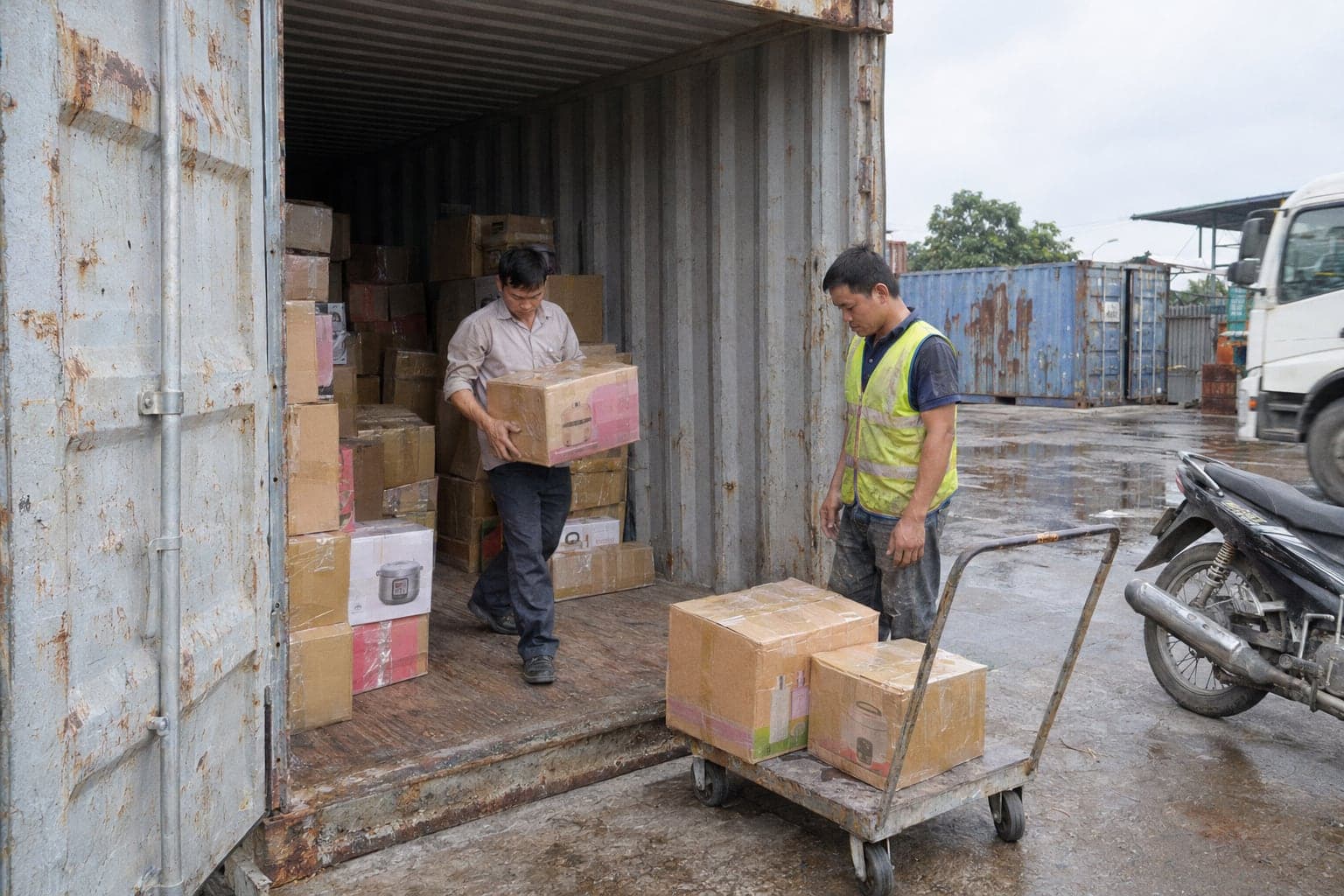
Importers who declare a price below the reference price will be sent to consultation, even when their documents are in order. A shipment that arrives just before Tết and gets stuck in consultation takes the sales plan down with it.
The dispatch sets no start or end date, only "the period around Tết". Sub-departments must check customs values before, during and after the holiday.
How customs consultation works
Customs compares the declared price with reference price data. A shipment declared below that level is flagged as suspect and moved to consultation. The price data sits in the GTT02 system, under Decision 181/QĐ-CHQ of 28 January 2026 and Decision 1018/QĐ-CHQ of 22 June 2026.
Consultation runs for up to 30 days from the date the goods are released or moved to storage. If the importer cannot prove the declared value within 30 days, customs rejects it, re-determines the customs value and assesses additional tax.
Officers face tighter rules too. The dispatch bans perfunctory consultation. Every shipment declared below the reference price that falls under the value risk list and the customs value database must go through full consultation, with no suspect shipment slipping past. An officer who rejects a declared value may not set a price below the one in the database. Officers who get this wrong can face disciplinary action.
Reference prices are reviewed continuously. Operational units check them daily and propose an adjustment when declared or collected prices rise or fall 10% against the reference price. Post-clearance audit teams screen priority items with a risk of undervaluation, so importers should plan for a possible audit after clearance.
The legal basis is Circular 38/2015/TT-BTC (Article 25), amended by Circular 121/2025/TT-BTC, and Circular 39/2015/TT-BTC, amended by Circular 60/2019/TT-BTC.
Impact by product group
The dispatch names seven groups: spirits, beer, other beverages, confectionery, cosmetics, household electrical appliances and functional foods. According to Vietnam Financial Times and Economics and Finance Review, the list also covers tiles and consumer goods in general.
Spirits and beer. These carry special consumption tax on top of import duties. They are on the watch list and carry an extra tax, so the risk of a value re-determination needs close attention.
Other beverages, confectionery, cosmetics, household electrical appliances, functional foods. These sell hard around Tết, so importers tend to bring shipments in all at once. Any shipment declared below the reference price can be sent to consultation. Treat consultation as a step that may happen in your arrival schedule.
Tiles and consumer goods in general. Beyond the seven named groups, goods on the value risk list can still be inspected. Importers outside the seven groups should still review their declared prices.
What importers should do
Get the document set in order before the vessel arrives. You need the sales contract, commercial invoice, bank payment records, and freight and insurance documents. If you are related to the seller, prepare an explanation in advance. If you received a trade discount, keep the agreement in writing.
Compare your declared price with the going market price for the item before you file the declaration. If your price is genuinely lower, have documents ready that explain why, because you only have 30 days to prove it.
Plan the clearance route early. You can clear goods against a tax guarantee, then finish consultation on time to avoid long storage. Build the cost of the tax guarantee and storage into your pre-Tết arrival plan.
A shipment that lands close to Tết and goes into consultation can easily miss the season.
Sources
Related service: Customs Brokerage