

Contents
Once a declaration is filed, customs does not inspect every shipment the same way. The system scores risk and routes each declaration into one of three channels: green, yellow, or red. That result decides whether the cargo moves straight through or stops for inspection, so understanding the mechanism lets an owner plan time and cost instead of leaving it to chance.
What the three channels mean
At its core, the channel reflects how deeply customs will inspect the shipment. The more risk, the deeper the check.
- Green channel: no detailed document review and no physical inspection. The business settles any duty and clears. This is the fastest lane.
- Yellow channel: a detailed review of the paper file, but no physical opening of the cargo. Officers reconcile the declaration against the documents to confirm the filing is correct.
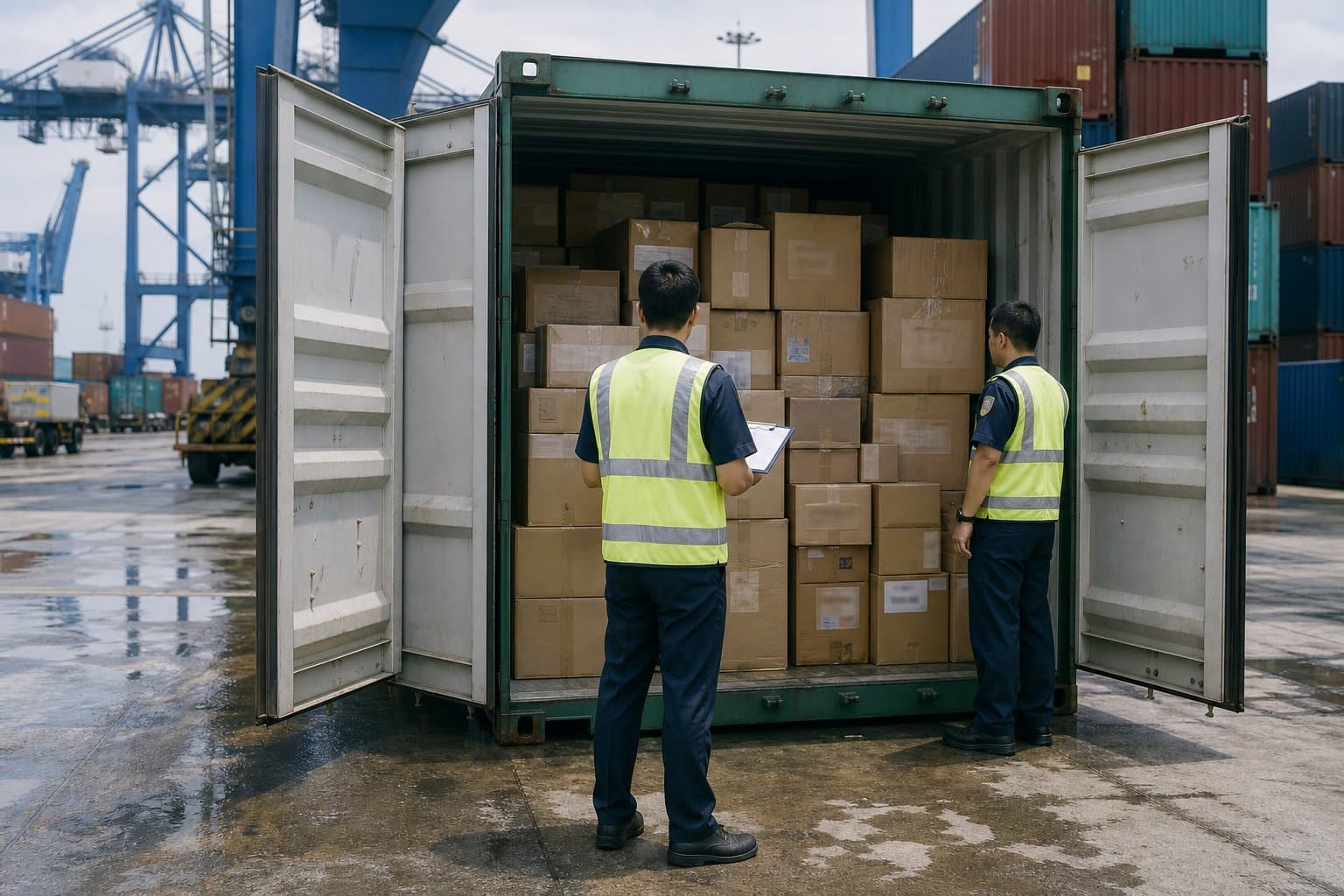
- Red channel: both a document review and a physical inspection. This is the highest level, and the cargo must be moved to a yard or inspection site to be opened.
Why a shipment lands in a given channel
Channel assignment runs on risk management, not on one officer's judgment. The system weighs several factors and decides automatically, with a random element retained to keep the outcome unpredictable. Common factors include:
- Nature of the goods: items under specialized-agency control or prone to value and origin fraud draw closer scrutiny.
- Compliance history of the business: an owner with a record of accurate filing, full duty payment, and no violations is scored lower risk.
- Origin and trade lane: certain origins or shipping lanes carry higher risk on origin or trade defense.
- Declared value and HS code: prices out of line with the market, or HS codes that could shift to a lower duty line, raise the odds of inspection.
- Randomness: even good businesses can be selected so the system stays unpredictable.
The key point: an owner cannot fully control the channel outcome, but does control most of the inputs. A clean file, an accurate declaration, and a solid compliance record push the odds toward green and yellow over time.
Preparing for each channel
Do not wait for the channel result to scramble for documents. The disciplined approach is to prepare as if the shipment will be inspected, so a yellow or red result costs no extra day.
- For green: a consistent document set and duty handled on time are enough. Clearance is near instant.
- For yellow: the paper file must be ready to present in full and agree line by line, including invoice, packing list, bill of lading, a C/O if claiming preference, and any permit or specialized-inspection result where applicable.
- For red: beyond the file, arrange the people, equipment, and time to open the cargo at the yard or warehouse, along with the lifting and inspection costs that follow.
Handling a red channel
A red channel does not mean wrongdoing. Plenty of correctly declared shipments still get physically inspected under the risk mechanism. What sets outcomes apart is the handling: a tight process keeps the inspection quick and keeps yard charges down.
- Have someone present on time at the inspection point, carrying the original file and a product catalog where useful.
- Arrange lifting, container opening, and cargo layout so the officer reaches the part to be checked without repeated re-handling.
- Make sure the actual description and quantity match the declaration. Small gaps in package count or product naming are a common reason inspections drag on.
- If a question arises on HS code or value, explain it with documents on the spot rather than letting it settle into a consultation case.
For an owner new to the process, choosing a freight forwarder experienced in physical inspection is the clearest way to cut time risk. Homexim handles channel assignment and inspection for clients as a default part of its clearance service, so whatever channel the cargo draws, someone is there to see it through.
Related service: Customs brokerage