

Contents
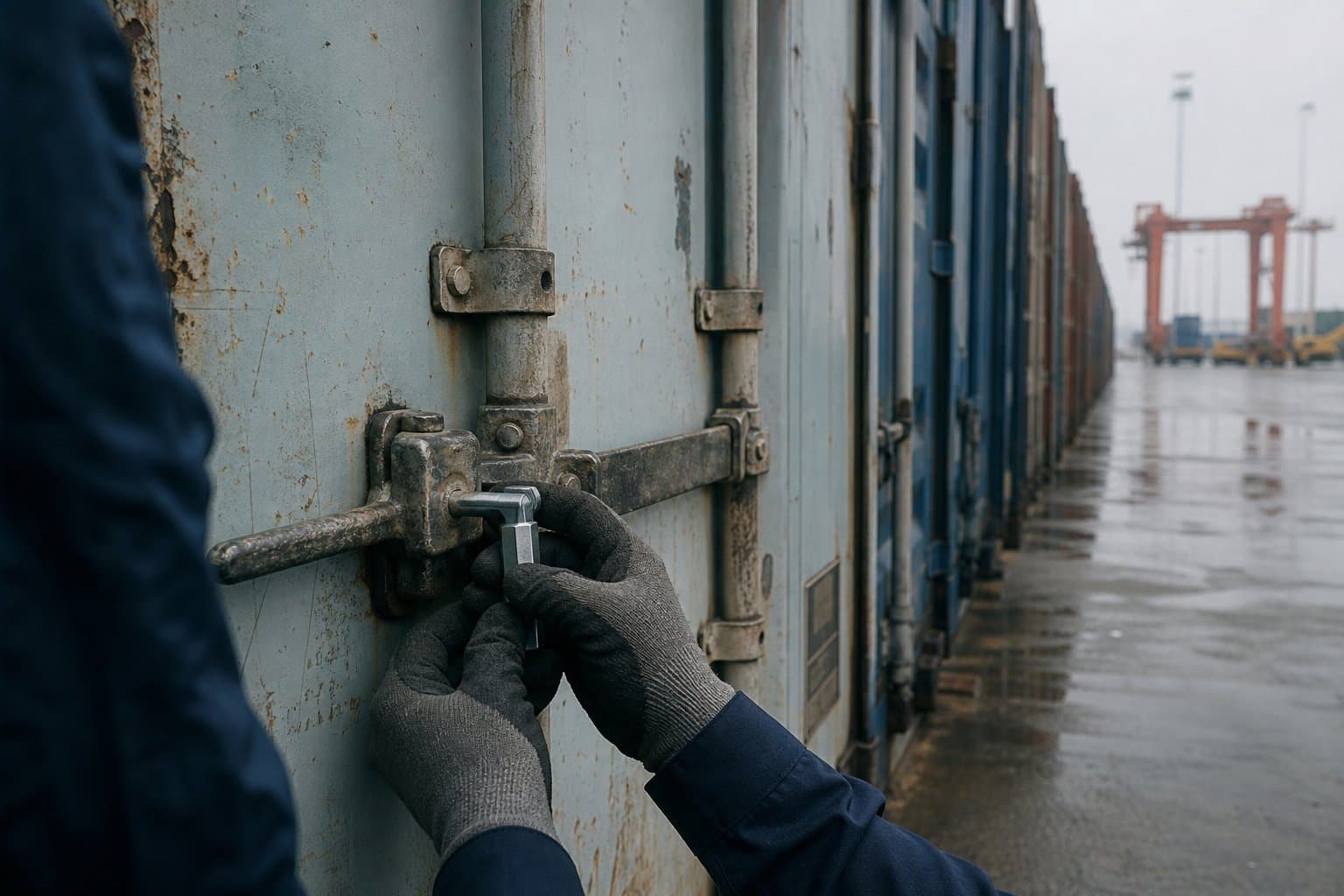
The risk of US trade-defense investigations against Vietnamese exports remains high, Vietnam's Trade Remedies Authority under the Ministry of Industry and Trade warned in mid-July. The US has opened three Section 301 investigations touching Vietnamese goods since early March.
Which products are exposed
Wood products, steel and metal products, construction materials such as float glass, and polyester fiber sit on the authority's warning list for the US market. Beyond classic anti-dumping and countervailing duties, Washington is reaching for Section 301 of the Trade Act of 1974 and Section 232 national-security probes. Nor is the risk US-only: Vietnamese steel is under investigation in Australia, with estimated dumping margins of up to 56.21%.
Impact by commodity
Commodity-level figures from Bao Dau Tu show why the warning list runs so long. Wood leads on sheer scale: sofa exports to the US alone hit $3.4 billion in 2025, up 8.8% and a full 54.1% of US imports of the product, with plywood, kitchen cabinets and wood mouldings also under watch. Truck and bus tires reached $450.9 million, up 24.5%, making Vietnam the fourth-largest supplier at a 13% share, and passenger-car tires already set the precedent with a US investigation back in 2021.
Among metals, prestressed steel cable carries the highest assessed risk, taking 27.1% of total US imports, worth $25.2 million in 2025; stainless-steel flanges plus aluminum wire and cable sit on the watchlist too. The fastest movers are construction materials and fibers: float glass jumped from $2.3 million in 2024 to $92.2 million in 2025, and polyester staple fiber grew 107.2% to a 14.4% US market share. The common thread is growth and market share expanding too fast, the same overheating pattern the source says now puts electronics, machinery, construction materials and clean energy at risk of fresh cases.
Why trade-defense exposure keeps rising
As Vietnam's export volume grows, so does the probability of new cases, the authority notes, and the trend has run for years. More importantly, global supply-chain restructuring means importing countries now scrutinize origin, raw-material sourcing, local value-added ratios, and supply-chain transparency. An exporter relying heavily on inputs from a country already under duties can be swept into a circumvention inquiry even without any wrongdoing.
An investigation waits for no one: origin files and input documents must exist before the shipment leaves the port.
What exporters should prepare now
An investigation waits for no one: origin files and input documents must exist before the shipment leaves the port. Once a case opens, questionnaire deadlines are measured in weeks, and the first thing checked against your answers is the document set of every shipment already exported.
- Keep complete purchase records for input materials: contracts, invoices, payment documents, proving sourcing and the share of value added in Vietnam.
- Keep cargo descriptions and HS codes consistent across shipments; issue C/O strictly by the rules of origin, never borrow origin to dodge duties.
- Archive the full document set of every export shipment: invoice, packing list, B/L, C/O, customs declaration, for at least five years.
- Track the early-warning list published by Vietnam's Trade Remedies Authority for your HS codes and destination markets.
Trade defense cuts both ways: Vietnam itself applies anti-dumping duties on many imports, steel being the clearest case. Whichever side of the flow you sit on, the principle is the same: clean, consistent paperwork is the cheapest insurance there is. Start by reviewing your own export-import document set.
Homexim archives and hands over the full document set after every shipment and files HS codes consistently against the profile agreed with you. If you export goods on the warning list, send your commodity and destination market and our documentation team will review your paperwork exposure.
Sources
Related service: Customs brokerage