
Contents
From March 1, 2027, e-commerce orders with a customs value of VND 1 million or less will be exempt from import duty. Each organization or individual buyer can claim up to VND 48 million in exemptions a year.
The threshold is part of Decree 417/2026/NĐ-CP on customs management of goods exported and imported through e-commerce platforms. Deputy Prime Minister Nguyễn Văn Thắng signed it on behalf of the Government. The decree takes effect on March 1, 2027.
How the exemption works
Two tests apply. The first is per order: the customs value must not exceed VND 1 million. The second is per buyer: exempted goods cannot total more than VND 48 million a year for any one organization or individual.
Only import duty is waived. VAT and other taxes still apply under current tax law.
Before the decree, parcels sent by post or express courier below VND 1 million were already exempt from import duty but still paid VAT. E-commerce goods moving outside those two channels had no exemption threshold, and cross-border e-commerce had no tax policy of its own.
Two groups of goods, two clearance routes
Declarants sort their goods into groups themselves, based on the order information.
Group 1 covers goods that need no license or foreign trade conditions, are not subject to specialized inspection, and are not covered by anti-dumping, anti-subsidy or safeguard duties. Group 2 is everything else: goods that need a license or specialized inspection, and goods hit by anti-dumping, anti-subsidy or safeguard duties.
Group 1 clears through the customs e-commerce data processing system. Declaration deadlines are:
- Exports: no later than 2 hours before the vehicle departs.
- Imports: before the goods reach the border gate, or within 30 days after arrival.
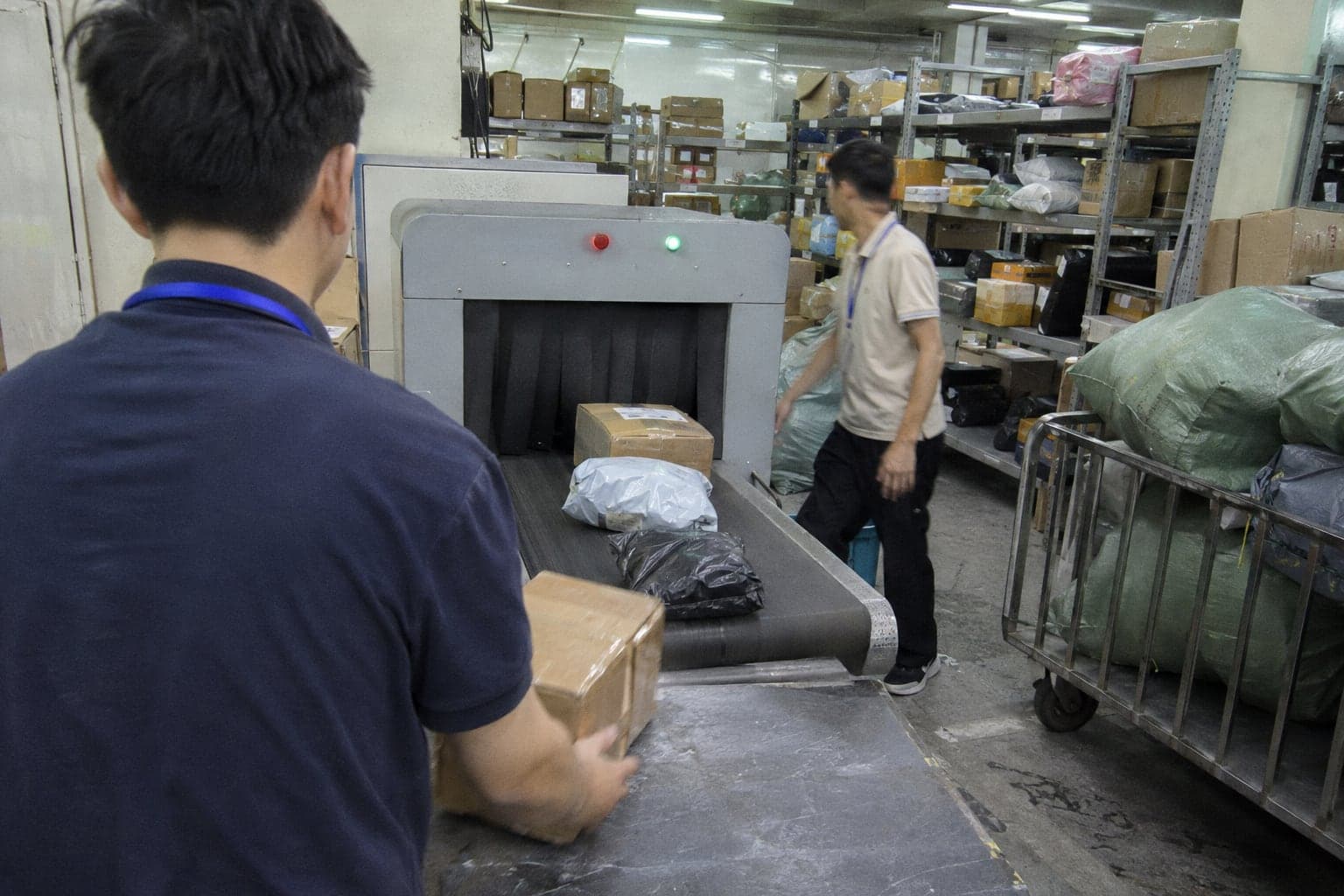
The system checks each declaration against population, business and customs databases, then issues a registration number, asks for more information or rejects the filing. Customs reviews files online. When a physical check is needed, scanners come first. If a declaration is wrong, customs orders a correction. Failing to correct leads to a tax assessment and penalties.
Group 2 takes a different path. Declarations go through the electronic customs system under Decree 08/2015 (as amended), with the documents each type of goods requires, either submitted or presented on request.
Where clearance takes place depends on the shipping channel:
- Exports: the declarant picks the customs sub-department.
- Imports by post or express courier: the sub-department managing the collection point.
- Imports outside post and express channels: the border-gate sub-department.
- Goods from a bonded warehouse: the sub-department managing that warehouse.
The debate over the threshold
The Ministry of Finance says the mechanism mirrors the exemption already applied to low-value express shipments. In its view, the VND 48 million annual cap helps buyers of small cross-border orders while limiting a flood of cheap goods.
The concern over cheap goods is not new. During the 2025 consultation, the Ministry of Industry and Trade warned of low-priced, poor-quality imports. VCCI argued that most online orders are low in value, so the exemption could put domestic manufacturers at a disadvantage.
What it means by product type
Goods needing licenses or specialized inspection, along with goods under anti-dumping, anti-subsidy or safeguard duties, all land in Group 2. These shipments skip the fast track on the e-commerce system and go through the electronic customs system with extra documents.
Small-parcel consumer goods with no license requirement and no trade remedy duties fall into Group 1. Clearance is lighter: one system, automatic cross-checks, and mostly online review.
The decree covers only goods moving through e-commerce platforms. Importers bringing in large lots as ordinary commercial trade, without a platform, are outside its scope. The news matters first for sellers, platform-based importers and small-order flows.
What importers should do
There is time until March 1, 2027. Three jobs are worth doing early:
- Go through every product you sell cross-border and sort it by group. Anything that needs a license, specialized inspection, or currently carries anti-dumping, anti-subsidy or safeguard duties belongs in Group 2.
- Check your order price mix: how many orders fall under VND 1 million and how many exceed it. Also track how much of the exemption each buyer has used, since the VND 48 million cap runs per buyer, not per order.
- Ask your forwarder which sub-department will clear each shipment: collection point, border gate or bonded warehouse. For Group 1 goods, fix the declaration deadline now so you do not miss the 30-day mark after arrival.
Sources
Related service: Customs Brokerage