

Contents
Clearance is not only about filing a declaration and paying duty. For many product groups, a business must also complete specialized inspection required by the responsible ministry before customs will release the cargo. This is the step most often left out of an import plan, and a common reason cargo sits at the port racking up storage charges.
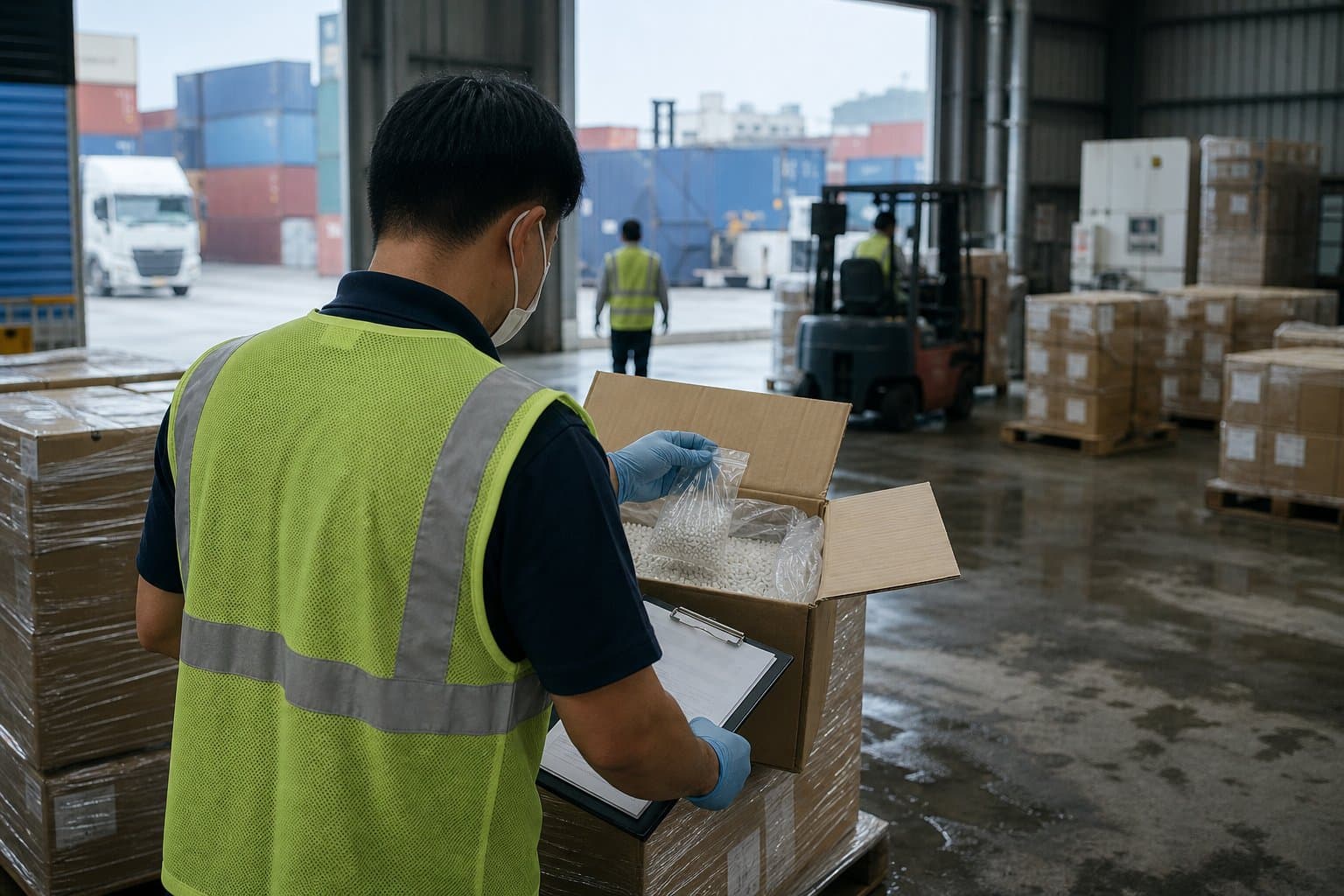
Common types of specialized inspection
Depending on the nature of the goods, one shipment may face one or several inspection types at once. The four most common groups are:
- Food safety: applies to food, additives, and food-contact packaging. Businesses typically self-declare or register a product declaration, backed by testing at a designated lab.
- Animal and plant quarantine: applies to goods of animal or plant origin, animal feed, and agricultural produce. The aim is to stop disease and pests traveling with the cargo.
- Quality inspection and conformity declaration: applies to goods on the list that must be certified or declared conformant to a technical regulation. The goods must meet the standard before circulation.
- Energy labeling and efficiency testing: applies to regulated electrical, refrigeration, and lighting equipment. Products must be efficiency tested and labeled before sale.
The list of goods subject to inspection and the responsible agency change with the governing legislation, so the first step is always to check the product policy by HS code to pin down exactly what the shipment must do.
The National Single Window (VNSW)
Most specialized procedures now run through the National Single Window, known as VNSW. Instead of filing paper to each ministry, a business submits its file electronically once on the portal, ministries process it, and results come back through the same portal. Those electronic results link to the customs system, so once a certificate or registration is on VNSW, the linked clearance moves more smoothly.
For goods subject to inspection, set up an account and get familiar with VNSW before the first shipment arrives, so you are not learning the portal while cargo sits at the port.
Many inspections take days to more than a week, while container and yard charges accrue daily.
The general sequence
The details differ by inspection type, but the framework is similar. Knowing it lets an owner see which step they are on and how far it is to clearance.
- Determine whether the goods are subject to specialized inspection, based on the HS code and current product policy.
- Register the inspection with the responsible agency, usually via VNSW, as soon as shipment details exist.
- Sample and test at a designated unit (where the inspection type requires it), or submit the file for the agency to review.
- Receive the certificate, result notice, or confirmation of compliance.
- Use that result to complete clearance with customs.
Tips to avoid delay
The most common mistake is starting specialized procedures only after the cargo reaches the port. Many inspections take days to more than a week, while container and yard charges accrue daily. A few principles keep things on schedule:
- Identify the specialized procedures the moment you sign the contract, not once the goods arrive.
- For steps that can be done before arrival, such as registering a declaration, preparing the file, or setting up a VNSW account, do them early so only sampling or confirmation remains on arrival.
- Prepare the full technical documentation: catalog, composition, manufacturer certificates, and test results from the export country if accepted.
- Choose the testing lab and register early, since designated centers can be overloaded at peak times.
Specialized inspection is the part that most often trips up a first-time owner because it sits outside the familiar customs process. Homexim checks the product policy and arranges the specialized steps before the cargo arrives, so the shipment is not left waiting on a permit at the port.
Related service: Customs brokerage