
Contents
Vietnam's fruit and vegetable exports reached about $9.2 billion in the first 11 months of 2026, up 18.6% year on year, or roughly $1.44 billion more. That already beats the full-year 2025 record of nearly $8.6 billion, with a month still to go.
The Vietnam Fruit and Vegetable Association released the preliminary figures, based on customs data up to 18/11. November alone brought in more than $913 million, up 30.2%. From July to October, the sector topped $1 billion in every month.
The $10 billion mark is within reach: the sector needs almost $800 million in December. If it gets there, it will cross that line for the first time.
What is driving growth
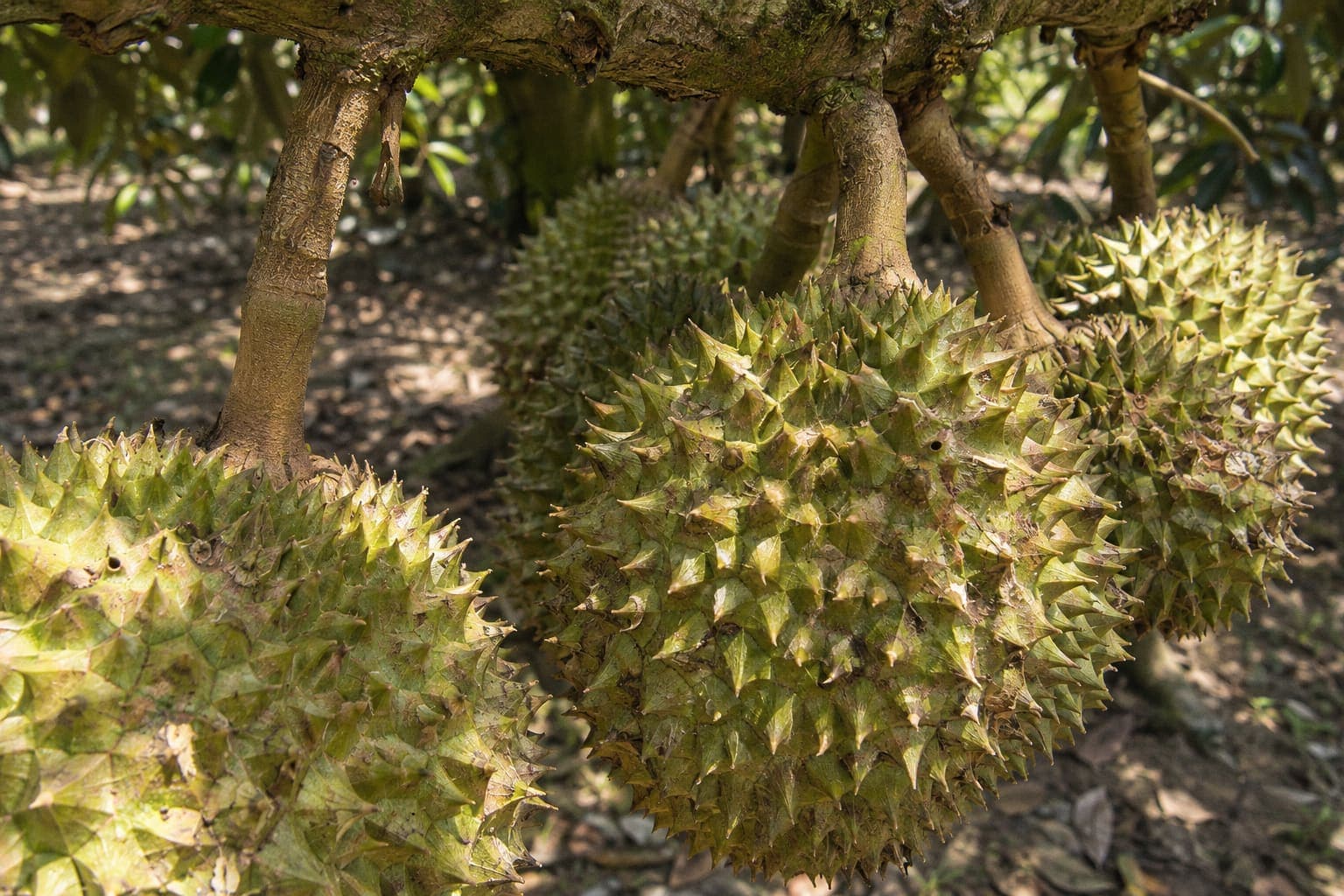
Durian remains the biggest earner. Durian shipments to China alone brought in about $3.3 billion in 10 months. That surge tracked the Central Highlands harvest peak from July to October, and the peak is over.
Processed fruit and vegetables are the second bright spot: about $1.7 billion in 11 months, up more than 30%, which makes the sector less dependent on fresh fruit.
On 10-month data, China still dominates:
- China: nearly $5.42 billion, up about 20%, more than 65% of total fruit and vegetable exports.
- United States: $556.5 million, up 22%.
- South Korea: nearly $295 million, up 12%.
- Japan: $217 million, up 8%.
- Netherlands: $188.3 million, up 39%, the fastest of the markets listed.
Germany also grew, but the source gives no figure.
Dang Phuc Nguyen, the association's Secretary General, said durian keeps delivering large revenue and processed products are growing well, while demand from China and from markets in Asia, Europe and the Americas is pulling exports up.
Imports are heating up too. Fruit and vegetable imports hit nearly $3.3 billion in 11 months, up more than 32% and faster than exports. November alone was about $462.45 million. The 11-month trade surplus stands at about $5.92 billion.
Impact by product
Durian. It carried most of the revenue through peak season, and that season has passed. Other products now have to make up the gap. The association expects fresh coconut, dragon fruit, passion fruit, pomelo and mango to do that as holiday and Tet demand rises. The source gives no separate export value for each, so it is unclear how much they can cover.
Processed products. Growth of more than 30% is well above the 18.6% for the sector as a whole. The association also expects this group to cover part of the year-end durian shortfall.
Fresh produce in general. The Import-Export Department (Ministry of Industry and Trade) stressed that quality control has to start in the growing areas, including management of growing area codes and packing facilities. The association says that to keep growth in big markets, businesses must comply more strictly on food safety, quarantine and traceability.
What this means for exporters
December needs almost $800 million just as holiday and Tet demand rises, so year-end volumes will thicken. Exporters who are late with growing area and packing facility paperwork will get stuck at loading, not at sale.
China takes more than 65% of fruit and vegetable exports, so a single bottleneck on that side can throw a whole shipment plan off. Plan around border gate schedules and quarantine. The source names no border gates and gives no specific waiting times, so ask your carrier and your importing-side agent directly.
Check three things now, before you plan December loading:
- Growing area codes: confirm every raw material lot comes from an area that has been issued a code.
- Packing facilities: match the packing facility code against the shipment's document set.
- Traceability records: keep records ready from growing area to shipment, so you can answer quickly if inspectors ask.
Exporters shipping to markets other than China, such as the US, South Korea, Japan and the Netherlands, should do all three as well. The source states only general requirements and does not break them down by market.
Sources
Related service: Customs Brokerage