

Contents
Vietnam-Israel two-way trade reached about $3.5 billion in the first 10 months of 2026, with Vietnamese exports to Israel topping $1 billion. The figures come from the Vietnam Trade Office in Israel, published on the Ministry of Industry and Trade portal on 2 November 2026. VIFTA, in force since 17 November 2024, is nearly two years old.
The Trade Office forecasts full-year 2026 two-way trade at about $4.4 billion, up more than 21%. Exports are projected at about $1.3 billion, up roughly 50.3%. For comparison, Vietnam's exports to Israel were $795 million in 2024 and $865 million in 2025. VietnamNet/VNA reported on 8 July 2026 that first-half exports rose 35.7% to about $555 million.
Ashdod is running normally; the risk is at sea
The Middle East conflict has escalated since late February 2026, disrupting shipping lanes and energy markets and raising maritime risk. When fighting intensified in early March, the Trade Office said it had recorded no specific losses in trade between companies from the two countries.
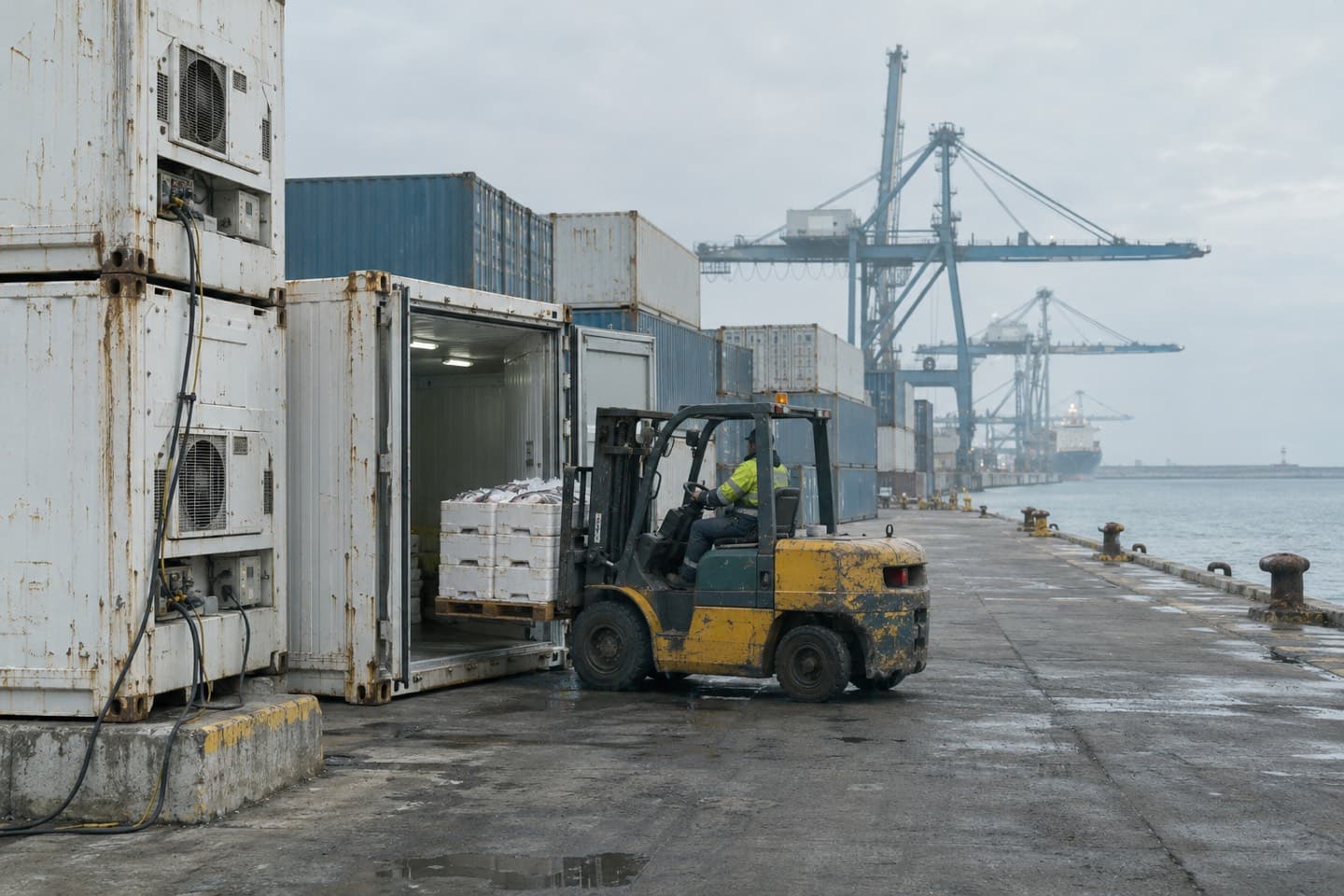
Ashdod, Israel's largest import-export port, is operating normally. The state-owned Mediterranean port handles more than 1.7 million TEU a year, about 40% of Israel's container volume. It works 24 hours a day, six days a week, closing on Saturdays, and is upgrading its operations, infrastructure, cargo-handling equipment and customs clearance.
In June 2026, Trade Counselor Le Thai Hoa met Shaul Schneider, chairman of the Ashdod Port Authority, and asked the port to keep facilitating Vietnamese cargo.
On 26 July 2026, the Israeli government also approved a proposal to ban imports of goods made wholly or partly with forced labor. The issue is also surfacing in other markets; see our piece on forced-labor goods and US tariffs.
Impact by commodity
Food and agricultural products lead the trade: seafood, coffee, pepper and cashews. Seafood exports reached about $40 million in the first half of 2026, up 30.7%. Tuna shipments came to nearly $10 million in the first quarter, up 33%, and Israel is Vietnam's largest tuna buyer in the Middle East. Israel grants 0% in-quota tariff rates on a number of Vietnamese farm products, tuna among them.
Fresh seafood and perishable food face the tightest time pressure. Delivery schedules must fit Ashdod's six-day working week, with no cargo bunched up for Saturday.
Garments and footwear are the main consumer goods. Processed goods under HS 61 to 64 mostly dropped to 0% as soon as the agreement took effect. The remaining garment and footwear lines are being cut over 3 to 5 years.
What it means for shippers
Cargo bound for Israel now faces two issues. First, the tariff preference applies only if the C/O is issued under Circular 11/2024/TT-BCT of the Ministry of Industry and Trade. Second, port schedules and maritime risk. A normally running port does not mean the sea route is safe: the absence of recorded losses does not rule out risk, so shippers should plan contingencies rather than assume the best.
A faulty C/O means no 0% duty, even if the goods fall under an HS heading slated for cuts. To compare utilization under another agreement, see CPTPP C/O utilization rate. For freight rates and sailing schedules, shippers can talk to us about ocean freight.
Three things to do now:
- Check the C/O before cargo leaves the warehouse. Issue it under Circular 11/2024/TT-BCT and match the HS code and goods description against the customs declaration to keep the preferential rate.
- Build delivery schedules around Ashdod's six-day week, with Saturday closed. For fresh seafood and food, lock in cut-off and vessel schedules with the carrier early.
- Stay in regular contact with carriers and Israeli importers, follow developments in the Middle East, and review cargo insurance cover before each shipment.
Sources
Related service: Ocean freight FCL/LCL