

Contents
Vietnam issued Decree 292/2026/ND-CP on July 22, 2026, establishing a forced-labor import ban with its scope governed by relevant international treaties. The provision has an effective date of September 5, 2026. On July 25, a day after the US introduced a 12.5% Section 301 duty on covered Vietnamese goods, Foreign Ministry spokesperson Pham Thu Hang cited the decree in Vietnam's response to USTR. For US-bound shippers, the distinction matters: the ban may support a future tariff review, but it does not itself deliver a duty reduction. Nor does the 2.5-percentage-point gap affect every shipment, since some products qualify for exemptions.
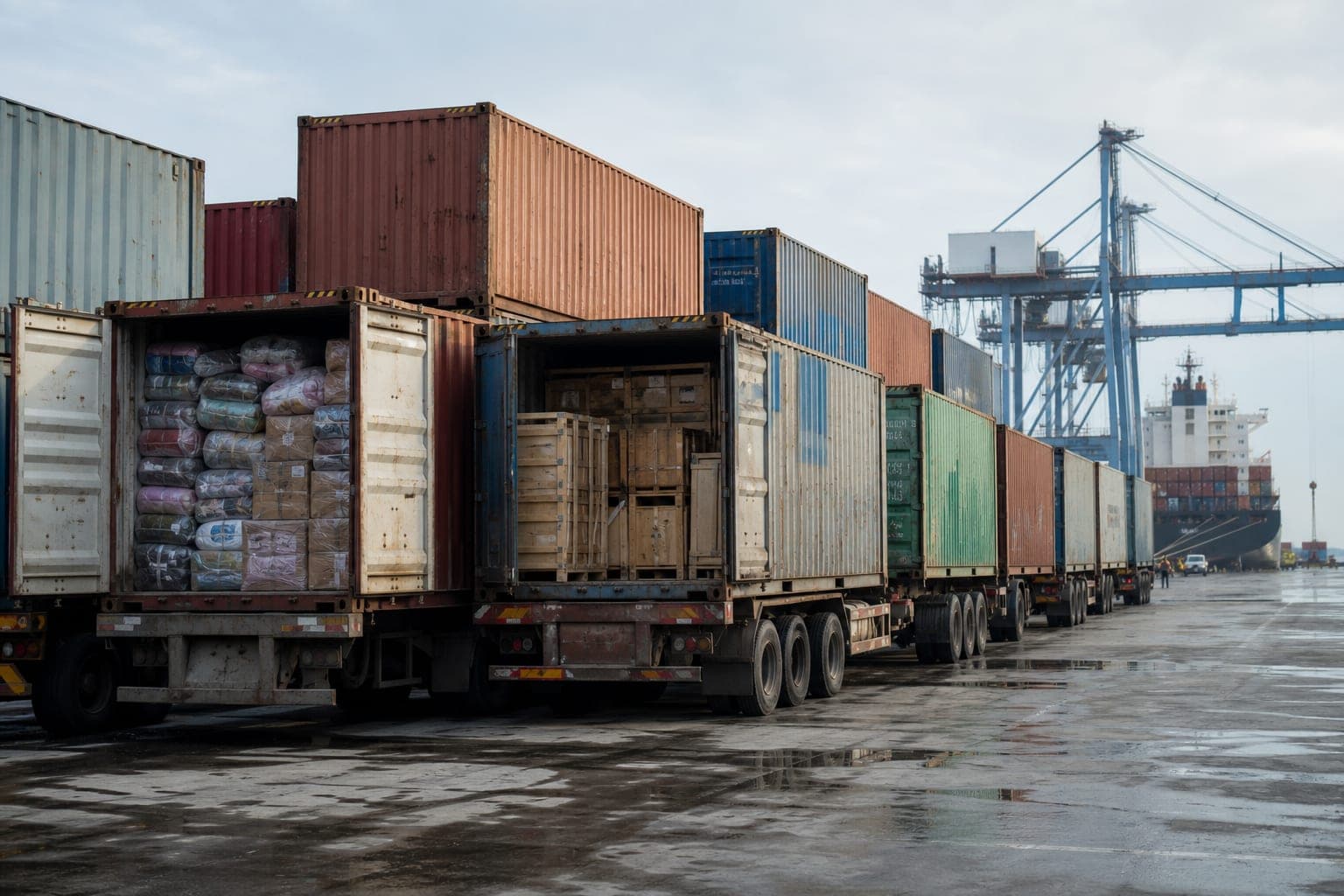
Decree 292: a forced-labor import ban effective September 5
The provision prohibits imports mined, produced or manufactured wholly or partly through forced labor from enterprises, countries or territories, in accordance with relevant treaties to which Vietnam is a party. The decree covers more than forced labor. According to the Government News portal, the list also includes weapons, ammunition, explosives, hazardous chemicals on the prohibited list, e-cigarettes, heated tobacco and specified categories of used consumer goods and vehicles. Rough diamonds are subject to prohibitions under the Kimberley Process Certification Scheme, not a blanket ban on all rough diamonds. Inclusion in this list should not be read as evidence that every category has newly been added.
LuatVietnam reports that ministers and heads of ministerial-level agencies are tasked with publishing detailed prohibited-goods lists with HS codes, except where legislation already specifies those codes. The report neither confirms the publication status of a separate forced-labor list nor sets a deadline before September 5, 2026. That date marks the provision's entry into force, not a window for delaying documentation work. As a practical compliance measure, importers sourcing cotton, yarn or dyeing chemicals for export production should check product codes against applicable guidance and review their suppliers.
Foreign Ministry turns the decree into a rebuttal on the 12.5% tariff
On July 25, one day after the Section 301 duty took effect, spokesperson Pham Thu Hang said the USTR decision "does not fully reflect the reality and the efforts" Vietnam has made to prevent, reduce and eliminate forced labor, including banning imports of goods made through it. Vietnam maintains it strictly prohibits every form of forced labor and complies with ILO conventions and the trade agreements it has signed. The ministry said it would keep engaging with Washington in a constructive spirit.
The decree does not automatically reduce the duty on Vietnamese goods from 12.5% to 10%. Mirae Asset's analysis, reported by Sputnik, describes Decree 292 as a basis for future tariff reviews. The cited reports do not establish a reclassification mechanism or confirm a duty reduction for Vietnam. For shipment planning, the prudent approach is to keep the prospect of negotiated relief separate from the rate actually applicable to your goods.
Impact by commodity
Apparel, footwear, wooden furniture and seafood feel the 12.5% story most directly: all four carry a large share of exports to the US, run thin margins and sit outside the exemption list. For these sectors, every step in the tier-reclassification talks is worth tracking closely, since 2.5 extra points on every shipment cut straight into an already narrow margin.
About 49% of Vietnam's exports to the US, mostly electronics, computers, semiconductors and telecom equipment, already sit outside the entire 10-12.5% tariff story under USTR's Annex A exemption.
That exempt group is not small. Per an analysis from Mirae Asset Vietnam, about 49% of Vietnam's exports to the US fall under USTR's Annex A exemption list, dominated by electronics, computers, semiconductor components and telecom equipment, essentially the FDI sector's high-tech manufacturing base. For that group, whether Vietnam sits in the 10% or 12.5% tier barely moves shipment cost, since the goods already stand outside both surcharges from the start.
What US-bound shippers should watch next
While the negotiation plays out, the 2.5-point gap stays exactly where it is on the price sheet. The practical move is not guessing when the rate might change, but keeping paperwork ready for either outcome.
- For US-bound apparel, footwear, furniture and seafood, the 12.5% figure in this report is an additional duty reported in July 2026. Before quoting, check the rate and exemptions for your product code at the time of entry rather than assuming a reduction to 10%.
- If you import cotton, yarn or dyeing chemicals into Vietnam for export production, check your product codes against official lists and guidance. September 5, 2026 is the provision's effective date, not a source-confirmed deadline for publishing HS codes.
- As a documentation measure, strengthen input-material traceability so you can explain your sourcing. Do not treat these files as a mandatory evidence package for tariff negotiations without an established basis.
- Electronics, semiconductor and telecom shippers: confirm with your US buyer that your SKU falls under the Annex A exemption, so it doesn't get charged a surcharge your partner hasn't updated for.
- Follow Vietnam-USTR discussions and official tariff notices. Decree 292 has been cited as a basis for review, but it does not guarantee that Vietnamese goods will move into the 10% tier.
Homexim tracks both tariff developments and customs rules on the US lane in parallel, helping apparel, furniture and seafood shippers get customs paperwork right on HS codes from the raw-material import stage onward. Read our brief on the new 12.5% tariff from July 24 for full context before repricing your next shipment.
Sources
- Báo Chính Phủ: Việt Nam cấm nhập khẩu hàng hóa được sản xuất bởi hành vi cưỡng bức lao động
- Báo Công Lý (qua Báo Mới): Từ ngày 5/9, cấm nhập khẩu hàng hóa được sản xuất bằng lao động cưỡng bức
- Dân Việt: Bộ Ngoại giao phản ứng về việc Mỹ áp thuế 12,5% với hàng hóa Việt Nam
- Sputnik Việt Nam: Mỹ lại đánh thuế Việt Nam với chiêu trò mới
- LuatVietnam: Việt Nam chính thức cấm nhập khẩu hàng hóa được sản xuất bằng cưỡng bức lao động
Related service: Customs brokerage