

Contents
Vietnam shipped 1.4 million tonnes of coffee in the first nine months of the year, up 15.4% from a year earlier. Revenue came in at $6.54 billion, down 7.3%. The figures were reported by VnExpress and Dân trí on October 4.
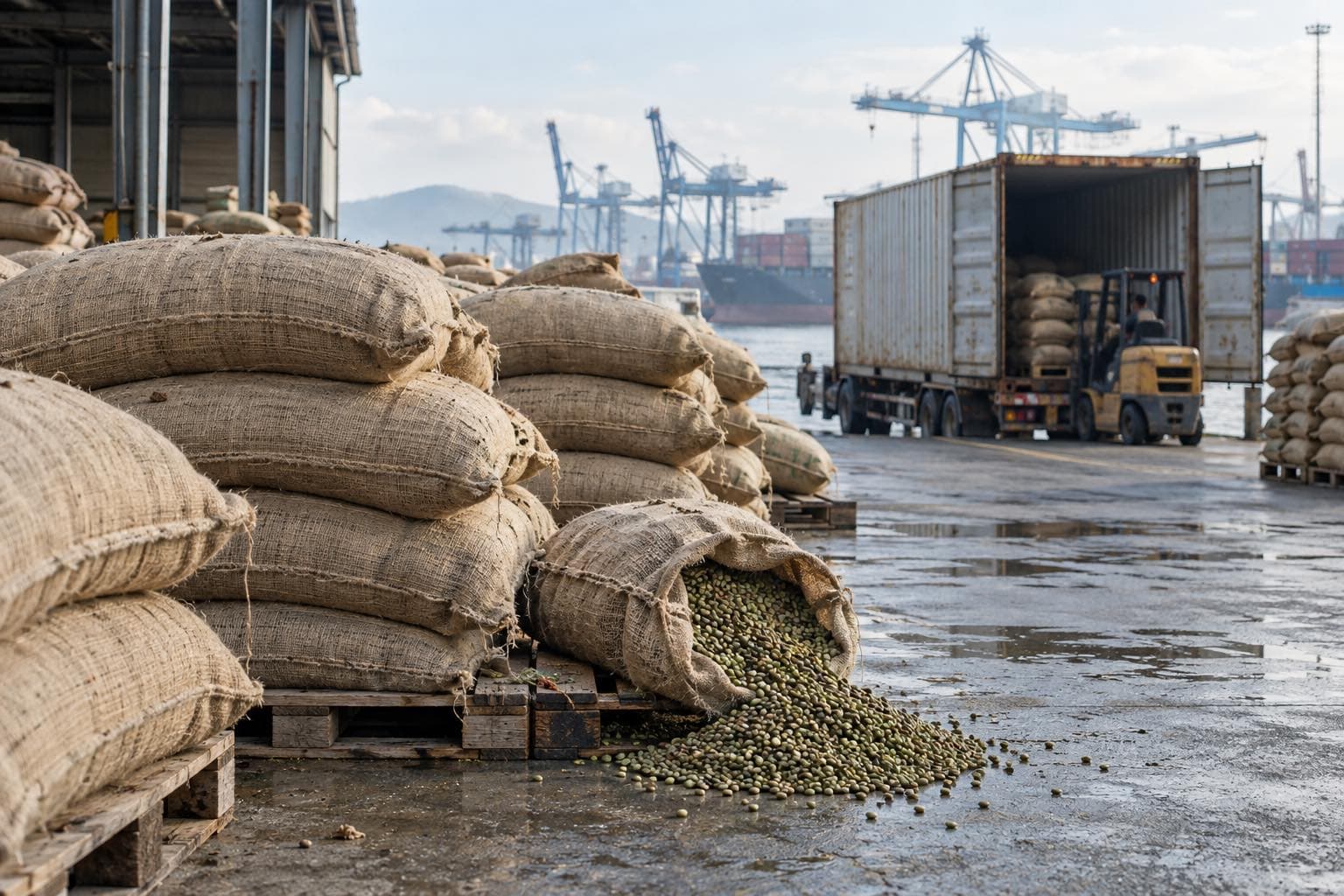
The average export price was $4,537.3 per tonne, down nearly 20% from 2025. That gap explains why Vietnam sold more and earned less. In September alone, exports totaled 114,200 tonnes, worth $511.8 million.
Supply is pushing prices down
Dân trí reports that world prices fell in September as supply improved, particularly from Brazil. At home, robusta traded at VND 93,200-94,000 per kg in early October, about VND 1,700-1,800 below early September.
More supply is coming. VnExpress reports that global coffee output for the 2025-2026 crop year is estimated at 178.8 million 60-kg bags, up 3.5 million bags. The 2026-2027 crop is forecast at 189.7 million bags, an increase of 10.8 million bags, or about 6%. Vicofa expects Vietnam's exports this year to rise by roughly 8-10% from 2025.
By market share over the nine months, Dân trí lists Germany at 13%, Italy at 8.2% and Japan at 7.2%.
Who is hit hardest
Green coffee takes the most direct hit. Volumes are high but prices are low, so exporters' margins are squeezed.
Processed coffee, meaning roasted, ground and instant, tells a different story. In the first eight months it earned $1.2 billion, up 1.7%, and made up 19.9% of total coffee export value. Dân trí says growth is below potential because of high costs and strict import requirements.
Vicofa argues that with prices falling, the industry should push processed and higher-quality products, especially those that meet the EU's EUDR standards, to lift value. For the scope of the EUDR, see EUDR scope amended. Other environmental requirements for this market are covered in our piece on the EU green barriers.
What it means for shippers
With market prices sliding, compare the price locked into each contract against the current price to see how much margin the remaining shipments carry. As the selling price per tonne drops, logistics cost per tonne takes a bigger share of it, so recalculate.
To do this week:
- Compare the locked price in every active contract with the current market price.
- Recalculate logistics cost per tonne at the new selling price, including ocean freight.
- For shipments to Europe, recheck traceability records before stuffing the container.
Sources
Related service: Ocean freight FCL/LCL