

Contents
From October 15, 2026, data exchanged between customs and company systems when declaring electronic documents must follow the JSON DataFormat standard. Vietnam's Customs Department set the rule in Decision 1434/QĐ-CHQ, signed on August 26, 2026.
The interim rule covers the format of data messages for electronic documents on import and export goods. It replaces two earlier interim decisions: 748/QĐ-CHQ (May 12, 2026) and 1143/QĐ-CHQ (July 6, 2026). Messages must follow the syntax and technical data structures in the annexes to the decision.
Circular 128 adds rules for smart border gates
Circular 128/2026/TT-BTC of the Ministry of Finance (signed August 27, 2026) also takes effect on October 15, 2026. It governs customs inspection, supervision and management of imports, exports, transit goods and vehicles at smart border gates.
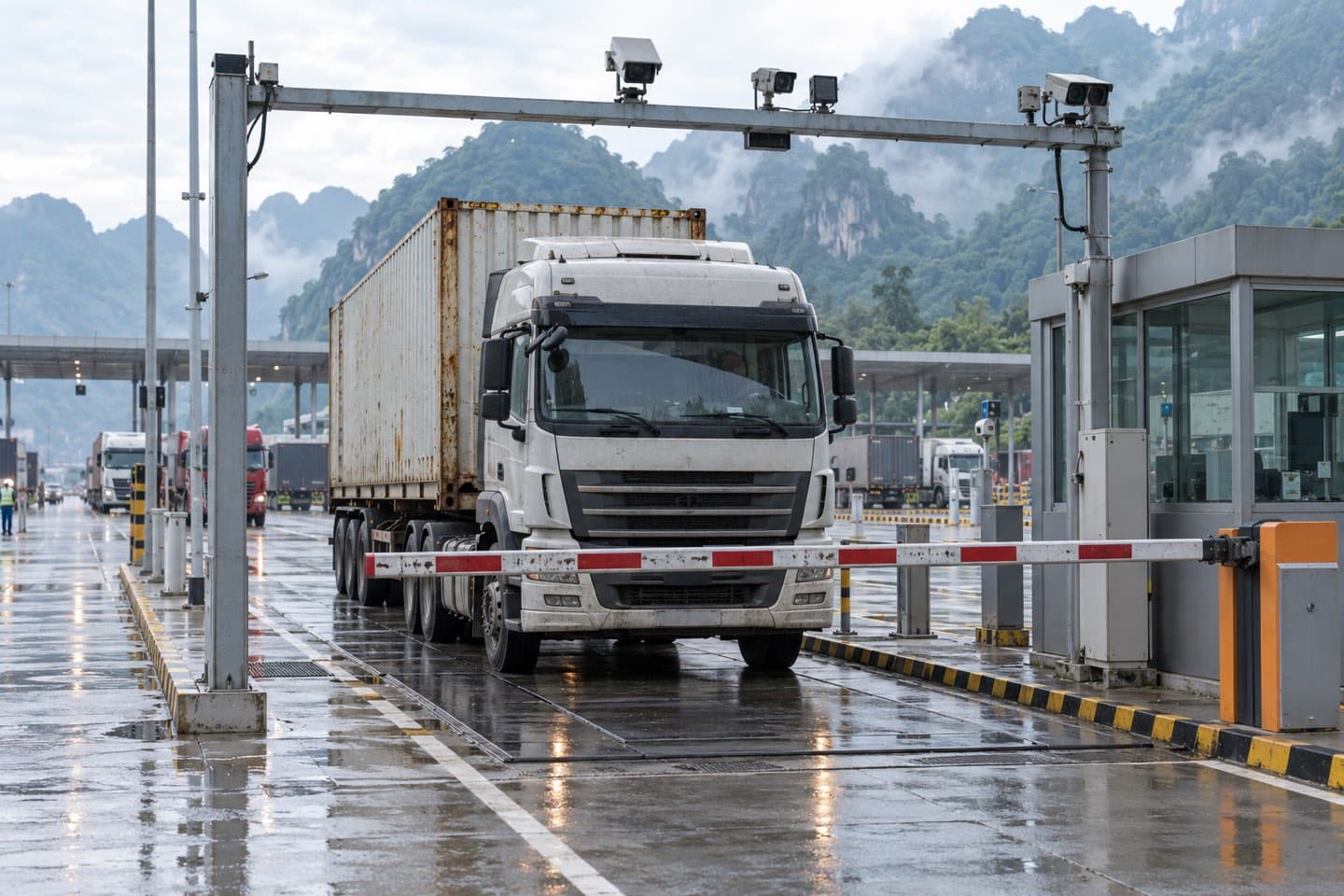
These zones must have unmanned vehicle-recognition cameras, electronic barriers, surveillance cameras, electronic scales and a system to manage goods entering and leaving, all linked to the customs electronic data processing system. The circular does not name any specific border gate.
Two more documents take effect the same day. Circular 127/2026/TT-BTC (August 27, 2026) standardizes the data fields and declaration forms for vehicles at border gates. Decree 336/2026/NĐ-CP (August 22, 2026) on the National Single Window sets administrative procedures for import and export goods handled through the National Single Window Portal.
Impact by sector
The JSON standard affects every product group declared through declaration software for electronic customs clearance. No sector is exempt. Software that has not been updated may block the sending and receiving of e-documents during clearance.
Circular 128 applies only to cargo moving through smart border gates. For imports it sets three rules to note, plus one for vehicles:
- Cargo may stay at the border gate for up to 30 days from arrival. Owners who start customs procedures to collect goods after that deadline face penalties under the law.
- Customs runs risk analysis on import shipments using cargo information available before the goods reach the gate. That information comes from the smart border gate operator or from Chinese Customs.
- Cargo that must be split or consolidated with other goods has to be handled at a consolidation (CFS) location recognized by the Customs Department.
- Unmanned smart vehicles do not have to complete customs procedures for exit or entry, but they remain subject to customs inspection, supervision and control.
What it means for cargo owners
First, ask the declaration software vendor or customs broker whether JSON is already supported. Companies that file in-house should have their IT team review the data structure, update the software and test connectivity before October 15.
Use the trial period. Customs at the Móng Cái international border gate, on instructions from Regional Customs Branch VIII, is letting companies trial-file in the new format from October 15 to November 15, 2026. For technical problems, ask the Customs Department for guidance.
For shipments through smart border gates, put the 30-day mark in the plan for each shipment and finish procedures before it expires. Have complete cargo information ready before arrival, since customs uses it for risk analysis. Shipments that need splitting or consolidation with other goods should go through a CFS location recognized by the Customs Department.
Sources
- Tạp chí Kinh tế Tài chính: Hải quan ban hành quy định tạm thời về định dạng thông điệp dữ liệu chứng từ điện tử
- Doanh nghiệp & Hội nhập: Hải quan áp dụng chuẩn dữ liệu JSON mới đối với chứng từ điện tử từ ngày 15/10
- Tạp chí Kinh tế Tài chính: Hải quan Móng Cái triển khai quy định mới về chứng từ điện tử
- Tạp chí Kinh tế Tài chính: Bảy chính sách mới doanh nghiệp xuất nhập khẩu cần lưu ý từ tháng 10
- Tạp chí Công Thương: Quy định quản lý hải quan đối với hàng hóa xuất, nhập khẩu tại cửa khẩu thông minh áp dụng từ ngày 15/10/2026
Related service: Customs brokerage