

Contents
Circular 48/2026/TT-BCT from Vietnam's Ministry of Industry and Trade took effect on 5 September 2026, setting out Vietnam's used-goods import ban by HS code. It is the implementing text for the Law on Foreign Trade Management and Decree 292/2026/ND-CP, and it carries three things an import desk needs on hand: the list of used consumer goods and used vehicles banned from import, now written by HS code; the methods for allocating tariff rate quotas; and the conditions for trading rough diamonds under the Kimberley Process Certification Scheme. Repeals, amendments and transitional clauses for pending files and licences come with it.
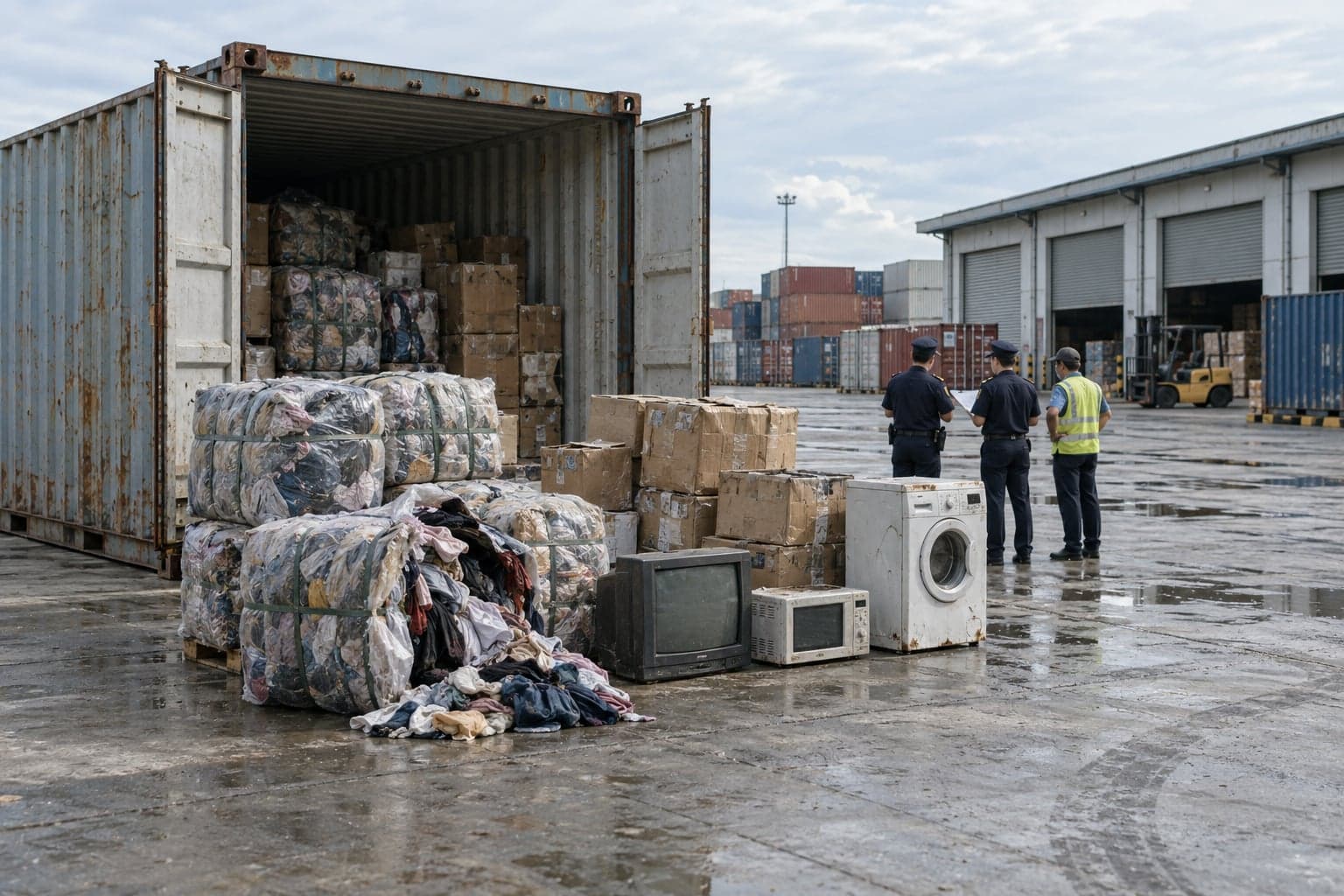
The used-goods import ban, now written by HS code
The banned list for used consumer goods is set out by HS code under the Ministry's remit. The product groups inside it: plastic articles; apparel and footwear; wood products; paper; fabrics; household goods; electrical and electronic equipment; furniture. On the vehicle side, the ban covers selected lines within motorcycles, bicycles and their parts and accessories.
The Ministry's announcement distinguishes used consumer goods from used vehicles and identifies specific HS lines within its remit. For shipment planning, review each item against its description and actual condition rather than relying on a broad product category. For motorcycles, bicycles, parts and accessories, establish which items are listed instead of assuming the ban covers the entire group. When reviewing September's policy milestones, keep import-ban screening separate from the conditions governing your transaction type. This is a practical document check to carry out before purchasing, not a conclusion that all second-hand goods fall under the same rules. The distinction matters when a shipment contains several product lines that need separate classification reviews.
Tariff rate quotas and rough diamonds
Goods managed under import tariff rate quotas include birds' eggs and poultry eggs; cane or beet sugar; unmanufactured tobacco leaf; salt; and, under the trade agreements Vietnam has joined, rice and motor vehicles. Quota allocation runs through auction, dossier review, advance registration, designated importers or other methods. For planning purposes, identify the applicable method and check the corresponding allocation notice before preparing the file and registration schedule. The method's name alone does not establish a common deadline for every product.
Rough diamonds follow the Kimberley Process Certification Scheme. Traders must meet the scheme's conditions and documentation, and a KP certificate is valid for two months from its date of issue. As a practical check, compare the issue date and certificate validity with the procedural timetable. A sailing change should prompt another document review rather than a decision based solely on the vessel's departure date.
Impact by commodity
The most direct hit lands on second-hand consumer goods: used apparel and footwear, refurbished household appliances and electrical and electronic equipment, used furniture, used motorcycles and bicycles with their parts. A listing does not mean there can be no exception. In its analysis of Decree 292/2026/ND-CP, VLR describes licensing routes for scientific research, medical use and humanitarian aid; eligibility still needs to be checked for each shipment. Anyone importing refurbished goods under a softer commercial description should look again: customs classifies by code, not by what the invoice calls the goods.
Vietnam Logistics Review, analysing the new foreign trade lists, names four specialised groups: used electronic equipment, metal scrap as production feedstock, agricultural goods traded on temporary import for re-export, and industrial chemicals. In these groups the HS code stops being a tariff lookup key and becomes what VLR calls a legal switch that decides whether the goods may circulate at all. Get the code wrong, VLR warns, and the bill is not a back-duty assessment: the importer faces an administrative fine, loses the cargo to seizure, or ships the entire consignment back where it came from. Plants bringing in used machinery or old electronic components for repair sit squarely in that risk zone.
Get the code wrong, VLR warns: an administrative fine, the cargo lost to seizure, or the entire consignment shipped back where it came from.
Food, beverage and tobacco manufacturers importing quota inputs, sugar, salt, eggs and tobacco leaf among them, need to establish which allocation method governs their product before the import season. Jewellery and gem-cutting businesses importing rough diamonds now carry the two-month validity of the KP certificate as a scheduling constraint.
What this means for shippers
The biggest change is not any single tariff line but when you need to know the line. Foreign trade lists can change from one quarter to the next: VLR warns that a code cleared today can fall under special control or a trading suspension in the following quarter. The three checks VLR proposes, pre-clearance HS verification, a review of specialised licensing, and a test of whether the transaction model is viable at all, belong before the purchase contract is signed, not at declaration. VLR warns that shipping before checking legality can lead to detention at port and storage costs, compulsory re-export, or confiscation and destruction. Re-export should not be treated as a guaranteed remedy for every non-compliant shipment.
The circular carries transitional clauses for files, licences and certain activities already under way before 5 September. The Ministry's news summary describes this coverage only in general terms. For an individual shipment, check the relevant clause against the status of the application and licence before deciding whether to refile or proceed. A contract or booking date alone should not be assumed to establish eligibility for transitional treatment.
Before the next shipment
- Used goods: check every HS line against the Circular 48/2026 banned list, alongside the description, condition and intended use. Review existing classifications rather than assuming the previous shipment's treatment still applies.
- Refurbished goods and equipment returning for repair: classify by the nature of the goods and the HS code, not the seller's invoice description.
- Sugar, salt, eggs, tobacco leaf, rice and motor vehicles: establish the quota allocation method for your product and the filing or registration date.
- Rough diamonds: plan the sailing around the two-month validity of the KP certificate from its date of issue.
- Files lodged or licences issued before 5 September: read the transitional clause before refiling.
- Put a quarterly list review in the calendar for codes you import regularly, alongside the specialised inspection lists already applying to your cargo.
Homexim handles customs clearance and documentation for import cargo into Vietnam, including HS classification review before a declaration is lodged and screening goods against the Ministry of Industry and Trade's management lists. If you have used or refurbished goods on the way, send the HS code with the product description and condition so we can check it against the Circular 48 lists before the booking is placed.
Sources
- Bộ Công Thương: Bộ Công Thương ban hành quy định mới về quản lý ngoại thương
- VTV: Bộ Công Thương ban hành quy định mới về quản lý ngoại thương
- LuatVietnam: Đã có toàn văn Thông tư 48/2026/TT-BCT quy định chi tiết Luật Quản lý ngoại thương
- LuatVietnam: Thông tư 12/2018/TT-BCT hướng dẫn Luật Quản lý ngoại thương (tình trạng hiệu lực)
- VLR: Thích ứng danh mục ngoại thương mới theo Nghị định 292/2026/NĐ-CP
Related service: Customs brokerage